West Haven Historic District

Why it's listed
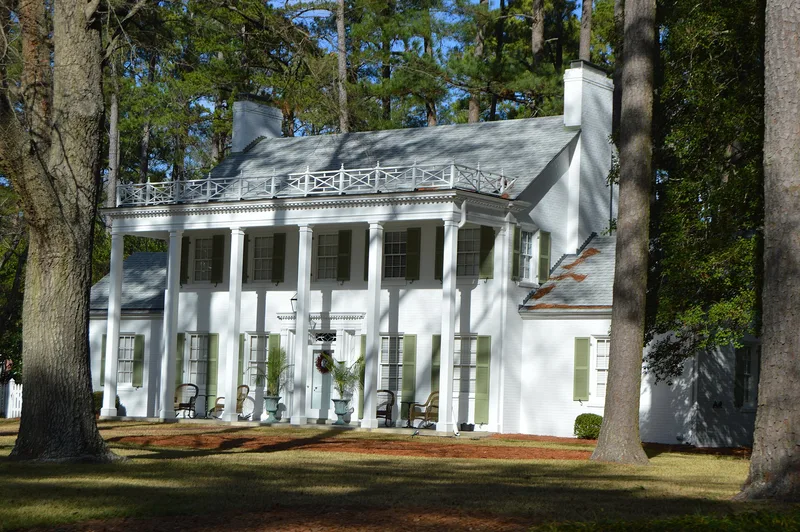
West Haven is a triangular residential neighborhood of roughly 211 acres about a mile west of downtown Rocky Mount, North Carolina. Laid out as one of the city's first suburbs to move away from a strict grid, it has broad, partly curving streets lined with pines, live oaks and magnolias, and 22 acres set aside for parks. Its houses, mostly one and two stories in brick or frame, include Colonial Revival, Tudor Revival, Renaissance Revival and Spanish Colonial Revival designs, along with Cape Cods, minimal traditional houses and ranches. Local professionals, executives and merchants built here, and many homes were designed by Thomas Herman of Wilson, including the Gorham house overlooking Wildwood Park. The district counts 181 contributing buildings, along with garages, sheds and two parks. Buildings dating after 1952 or heavily altered are considered noncontributing. The neighborhood is significant as a well-preserved example of suburban growth in Rocky Mount through the mid-twentieth century.
Machine-generated summary. This summary was generated by a language model from the official nomination document and has not been reviewed line by line by an editor. It may contain errors. Check the source document before relying on any detail. Source: nomination document (PDF) · catalog entry. Generated October 2026 (model claude-sonnet-5-5, prompt v1.0-2026-10-29).
| Period of significance | ca. 1920s-1952 |
|---|---|
| Styles | Colonial Revival, Spanish Colonial Revival, Tudor Revival, Modern Movement, Classical Revival |
| Areas of significance | Architecture, Community Planning and Development |
| Acreage | 211 |
| Boundary source | NPS cultural-resource GIS polygon |
| Full listing page | West Haven Historic District (property record) |
What listing means for this property
This is a historic district. Buildings within its boundary are either contributing (they add to the district's significance) or non-contributing. Owners of contributing income-producing buildings can claim the 20% federal rehabilitation tax credit; homeowners should look at state credits. National Register districts impose no design review by themselves; a local historic district ordinance, if one exists, does (the difference explained).
General information, not legal or tax advice. Rules change; confirm with your State Historic Preservation Office or a qualified adviser.