Venters Farm Historic District

Why it's listed
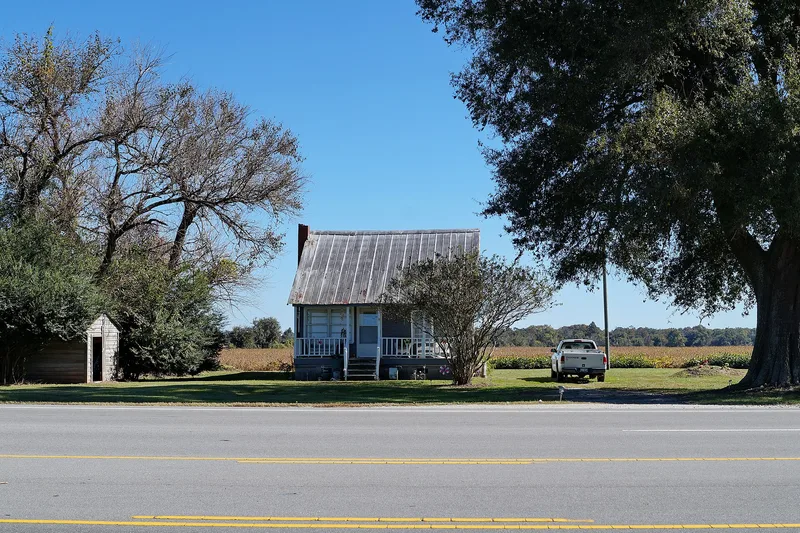
Venters Farm is a working agricultural district of about 37 buildings on roughly 536 acres along US 258 near Richlands, west of the New River. It grew from land inherited in 1896 by newlyweds Wayne and Julia Venters, who built a two-story late Victorian farmhouse with Italianate and Queen Anne details, a detached kitchen, a corn barn, a carriage house and a smokehouse. Later additions include a mule and hay barn, a cow and pig barn, tobacco curing barns and pack houses. Nine tenant houses, dating from 1896 to the 1950s, sit in groves of trees along the highway and are surrounded by open fields of tobacco and corn. The district was listed because it survives as a distinctive example of the large landowner and tenant farming pattern that prevailed from the late nineteenth century through the first half of the twentieth. Twenty-three buildings contribute to the district, while fourteen built in the 1950s and 1960s do not.
Machine-generated summary. This summary was generated by a language model from the official nomination document and has not been reviewed line by line by an editor. It may contain errors. Check the source document before relying on any detail. Source: nomination document (PDF) · catalog entry. Generated October 2026 (model claude-sonnet-5-5, prompt v1.0-2026-10-29).
| Styles | Late Victorian with some Italianate and Queen Anne details (main house) |
|---|---|
| Areas of significance | Agriculture, Architecture |
| Acreage | 536 |
| Boundary source | NPS cultural-resource GIS polygon |
| Full listing page | Venters Farm Historic District (property record) |
What listing means for this property
This is a historic district. Buildings within its boundary are either contributing (they add to the district's significance) or non-contributing. Owners of contributing income-producing buildings can claim the 20% federal rehabilitation tax credit; homeowners should look at state credits. National Register districts impose no design review by themselves; a local historic district ordinance, if one exists, does (the difference explained).
General information, not legal or tax advice. Rules change; confirm with your State Historic Preservation Office or a qualified adviser.