Stonewall Jackson Training School Historic District

Why it's listed
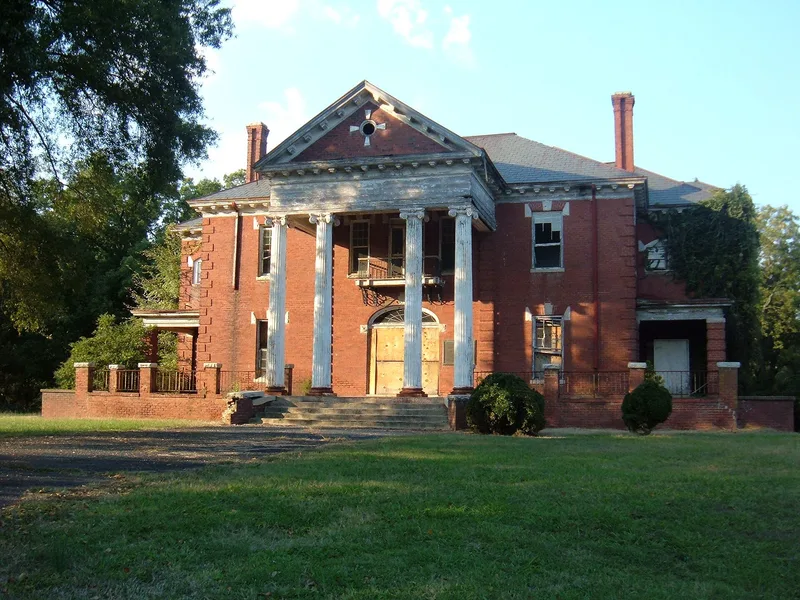
Along a rock-studded ridge near Concord sits the campus of the Stonewall Jackson Training School, built for North Carolina's first juvenile corrections facility. About fifty school and farm buildings make up the district, most erected between 1909 and 1930 to designs by Charlotte architect Louis H. Asbury. His Colonial Revival work includes the Ionic-porticoed Administration Building, the Roth Industrial Building and a set of identical brick cottages, along with a stone chapel and footbridge with a Gothic flavor. Later additions include a 1930s trades building, infirmary, gymnasium and pool, plus a dairy and farm complex among the finest early twentieth century farm structures in Cabarrus County. The campus was listed for what it shows about social history: the move away from jailing young offenders with adult criminals toward vocational training and rehabilitation, championed by Concord editor James P. Cook. Its architecture, remarkably unified, was a further reason for recognition.
Machine-generated summary. This summary was generated by a language model from the official nomination document and has not been reviewed line by line by an editor. It may contain errors. Check the source document before relying on any detail. Source: nomination document (PDF) · catalog entry. Generated October 2026 (model claude-sonnet-5-5, prompt v1.0-2026-10-29).
| Period of significance | 1909-1930, 1932, 1938, 1940 |
|---|---|
| Styles | Colonial Revival, with a simplified Gothic Revival chapel |
| Areas of significance | Education, Architecture, Social History |
| Acreage | 76.3 |
| Boundary source | NPS cultural-resource GIS polygon |
| Full listing page | Stonewall Jackson Training School Historic District (property record) |
What listing means for this property
This is a historic district. Buildings within its boundary are either contributing (they add to the district's significance) or non-contributing. Owners of contributing income-producing buildings can claim the 20% federal rehabilitation tax credit; homeowners should look at state credits. National Register districts impose no design review by themselves; a local historic district ordinance, if one exists, does (the difference explained).
General information, not legal or tax advice. Rules change; confirm with your State Historic Preservation Office or a qualified adviser.