Riverside Industrial Historic District

Why it's listed
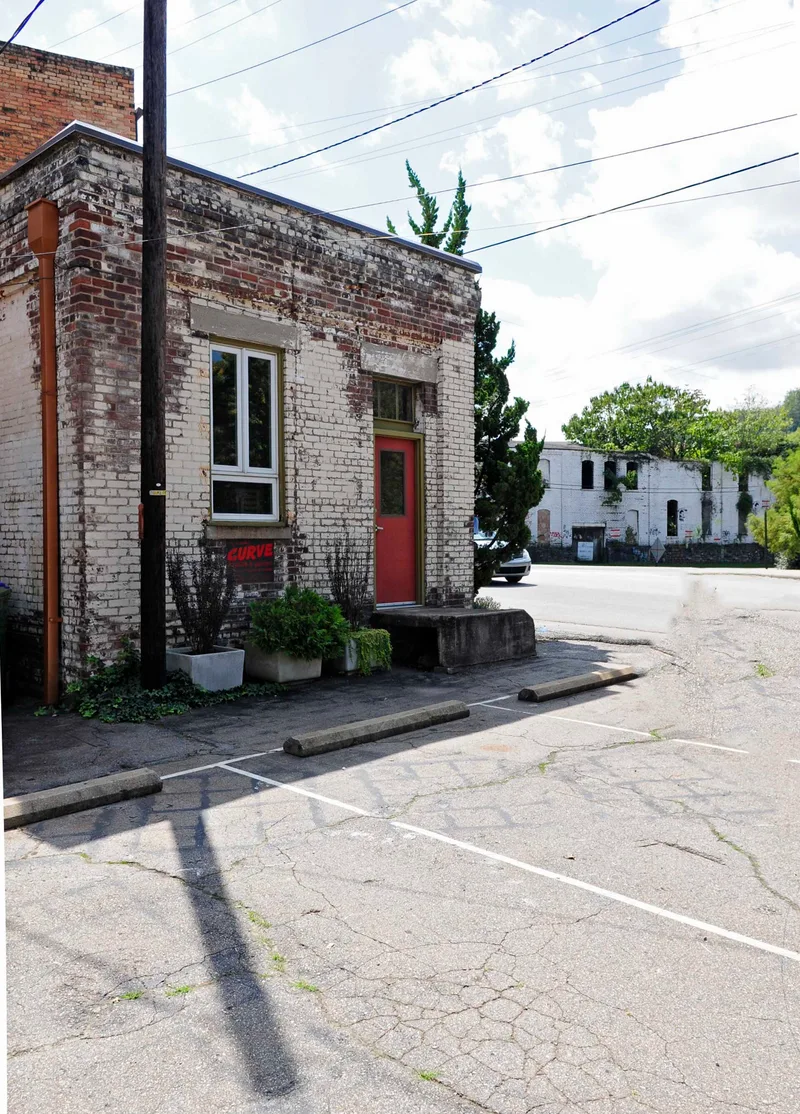
Along the east bank of the French Broad River southwest of downtown Asheville, this district grew around the railroad that reached the city in 1880. Level riverside land and rail access drew mills, coal and ice companies, feed businesses, machine shops and wholesale warehouses. The Southern Railway tracks form the spine of the district, with 27 contributing buildings and one contributing structure among its 32 resources. Surviving buildings include a ca. 1915 brick feed mill, a ca. 1905 Italianate coal and ice plant, and 1930s and 1940s warehouses on Clingman Avenue. A modern bridge, built in 1974, and a 1995 fire that destroyed one of the largest mills changed the riverfront. Many large-interior buildings now serve as artist studios. The district was recognized for its importance to Asheville's commerce and industry and for its architecture, with a period of significance from about 1880 to 1954 and 1916, the year of a major flood, noted as a significant date.
Machine-generated summary. This summary was generated by a language model from the official nomination document and has not been reviewed line by line by an editor. It may contain errors. Check the source document before relying on any detail. Source: nomination document (PDF) · catalog entry. Generated October 2026 (model claude-sonnet-5-5, prompt v1.0-2026-10-29).
| Period of significance | Ca. 1880-1954 |
|---|---|
| Styles | Italianate, Commercial Style, Late Victorian, No style |
| Areas of significance | Commerce, Industry, Architecture |
| Acreage | 39 |
| Boundary source | NPS cultural-resource GIS polygon |
| Full listing page | Riverside Industrial Historic District (property record) |
What listing means for this property
This is a historic district. Buildings within its boundary are either contributing (they add to the district's significance) or non-contributing. Owners of contributing income-producing buildings can claim the 20% federal rehabilitation tax credit; homeowners should look at state credits. National Register districts impose no design review by themselves; a local historic district ordinance, if one exists, does (the difference explained).
General information, not legal or tax advice. Rules change; confirm with your State Historic Preservation Office or a qualified adviser.