Peterson, John N., Farm

Why it's listed
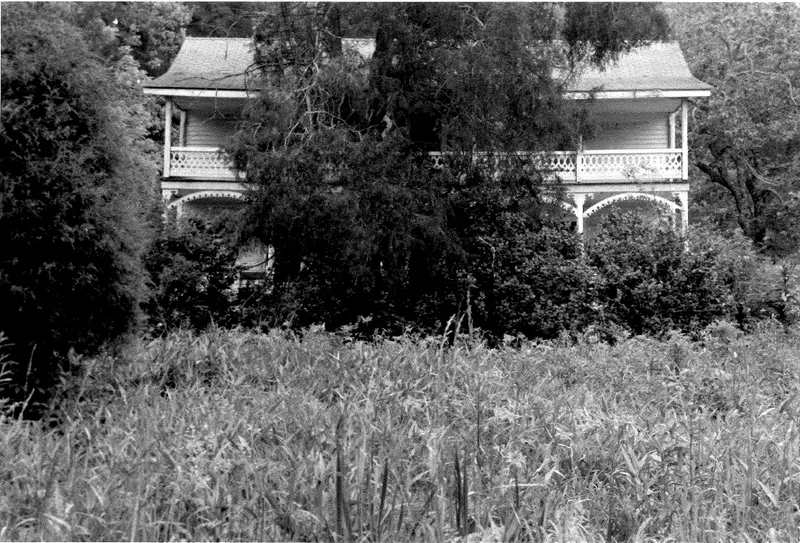
Set on a partly cleared tract in the mountain community of Poplar in Mitchell County, the farm centers on a two-story, three-bay I-house begun about 1870 by John N. Peterson, a carpenter who is said to have built it himself. Its double-tier front porch carries sawn spandrels, a balustrade and a frieze, and a 1985 county inventory describes the sawn detailing as among the most flamboyant folk Victorian work in the county. The house keeps its original front door with painted graining, interior poplar paneling and a carved mantel, despite a 1960 kitchen wing replacement. The farmstead includes a 19th-century barn and several early twentieth-century outbuildings. Peterson served as postmaster from at least 1879 and as a justice of the peace, and the property is regarded as a clear record of subsistence farming and local government in a remote part of the Blue Ridge.
Machine-generated summary. This summary was generated by a language model from the official nomination document and has not been reviewed line by line by an editor. It may contain errors. Check the source document before relying on any detail. Source: nomination document (PDF) · catalog entry. Generated October 2026 (model claude-haiku-5-5, prompt v1.1-2026-10-29).
| Period of significance | 1870-1910 |
|---|---|
| Styles | Folk Victorian; Greek Revival influenced I-house |
| Areas of significance | Agriculture, Politics/Government, Architecture |
| Acreage | 35.8 |
| Boundary source | NPS cultural-resource GIS polygon |
| Full listing page | Peterson, John N., Farm (property record) |
What listing means for this property
This is a historic district. Buildings within its boundary are either contributing (they add to the district's significance) or non-contributing. Owners of contributing income-producing buildings can claim the 20% federal rehabilitation tax credit; homeowners should look at state credits. National Register districts impose no design review by themselves; a local historic district ordinance, if one exists, does (the difference explained).
General information, not legal or tax advice. Rules change; confirm with your State Historic Preservation Office or a qualified adviser.