North Main Street Historic District

Why it's listed
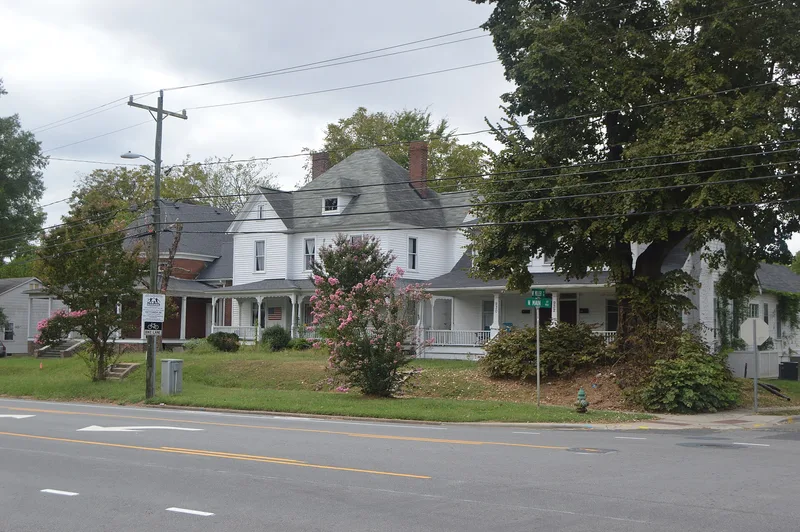
North Main Street in Salisbury, North Carolina, is lined with houses built mainly between 1900 and 1930 for a mix of residents. The southern blocks, between the railroad tracks and Henderson School, were first home to merchants, businessmen and other middle class citizens, and hold the more elaborate late Victorian and Colonial Revival dwellings. The northern blocks toward Spencer housed railroad workers employed at the Spencer Shops, and contain modest bungalows and small Victorian cottages. Many houses sit on terraced lawns, and local stone appears in walls, foundations and porches. The district has no single architectural theme. Instead, Victorian, Colonial Revival and Bungalow influences often blend within one house, and some bungalows are reported to have been built from Sears catalogue plans. A streetcar barn, small brick stores, a Methodist church site and the neo-classical Henderson School also shaped the street's growth. Despite lost buildings and some altered ones, it is the one surviving neighborhood of its kind in the city.
Machine-generated summary. This summary was generated by a language model from the official nomination document and has not been reviewed line by line by an editor. It may contain errors. Check the source document before relying on any detail. Source: nomination document (PDF) · catalog entry. Generated October 2026 (model claude-sonnet-5-5, prompt v1.0-2026-10-29).
| Styles | Late Victorian, Colonial Revival and Bungalow domestic styles, with Eastern Stick and Spanish Mission examples |
|---|---|
| Areas of significance | Commerce, Architecture |
| Acreage | 70 |
| Boundary source | NPS cultural-resource GIS polygon |
| Full listing page | North Main Street Historic District (property record) |
What listing means for this property
This is a historic district. Buildings within its boundary are either contributing (they add to the district's significance) or non-contributing. Owners of contributing income-producing buildings can claim the 20% federal rehabilitation tax credit; homeowners should look at state credits. National Register districts impose no design review by themselves; a local historic district ordinance, if one exists, does (the difference explained).
General information, not legal or tax advice. Rules change; confirm with your State Historic Preservation Office or a qualified adviser.