Municipal Golf Course

Why it's listed
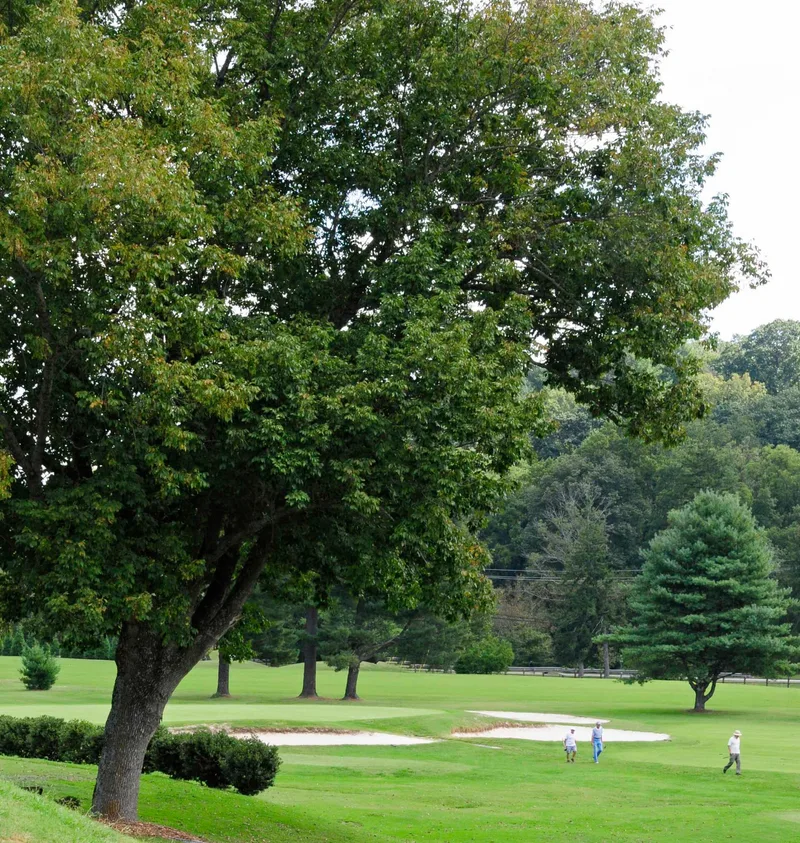
Municipal Golf Course, known locally as the "Muni," is an eighteen-hole public course in Asheville designed by Donald Ross in 1925 and opened on May 21, 1927. It sits beside the Swannanoa River and the Beverly Hills neighborhood. The flat front nine lies in a floodplain, while the hilly back nine winds among houses, a pairing considered unusual even among Ross designs. Ross originally planned the two nines in reverse order, and the numbering was switched when the course was built. Small changes include new tees, relocated bunkers, and filled-in water hazards, but the overall layout is intact. The pink granite clubhouse by architect Christopher Gadsden Sayre was damaged by a 1956 fire and rebuilt with a flat roof. The course was the first municipal course in North Carolina, and the first in the state to integrate, with full integration beginning in 1954. It remained the region's only public course through 1956.
Machine-generated summary. This summary was generated by a language model from the official nomination document and has not been reviewed line by line by an editor. It may contain errors. Check the source document before relying on any detail. Source: nomination document (PDF) · catalog entry. Generated October 2026 (model claude-sonnet-5-5, prompt v1.0-2026-10-29).
| Period of significance | 1927-1956 |
|---|---|
| Styles | Other: golf course (clubhouse originally Tudor Revival) |
| Areas of significance | Landscape Architecture, Entertainment/Recreation, Black |
| Acreage | 129 |
| Boundary source | NPS cultural-resource GIS polygon |
| Full listing page | Municipal Golf Course (property record) |
What listing means for this property
This is a historic district. Buildings within its boundary are either contributing (they add to the district's significance) or non-contributing. Owners of contributing income-producing buildings can claim the 20% federal rehabilitation tax credit; homeowners should look at state credits. National Register districts impose no design review by themselves; a local historic district ordinance, if one exists, does (the difference explained).
General information, not legal or tax advice. Rules change; confirm with your State Historic Preservation Office or a qualified adviser.