Kenansville Historic District

Why it's listed
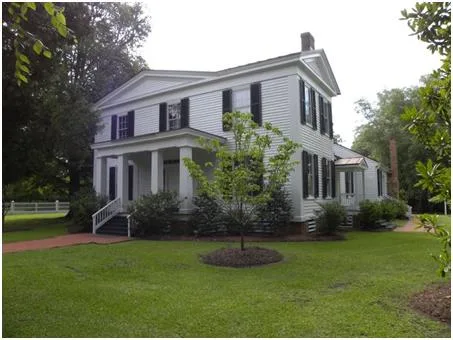
Kenansville, the Duplin County seat in southeastern North Carolina, was laid out in 1818 and grew rapidly in the two decades before the Civil War. The historic district covers about 50 acres, roughly sixty percent of the town, and includes seventy-one buildings. Its character comes from eleven Greek Revival houses and two churches, all frame buildings with Doric detailing, pedimented porches and center-hall plans. Local touches include breezeways, enclosed stairs, folding doors that channel breezes into summer rooms, and latticed secondary porches. A Federal-style house, an Italianate house, a Masonic lodge from 1860 and a 1911-1912 Neo-Classical courthouse complete the group. The original grid plan has given way to streets radiating from the courthouse square, so houses sit on spacious wooded grounds. Because growth has been negligible since the boom, the town preserves one of the state's most uniform collections of Greek Revival architecture, alongside its schools, churches and civic institutions.
Machine-generated summary. This summary was generated by a language model from the official nomination document and has not been reviewed line by line by an editor. It may contain errors. Check the source document before relying on any detail. Source: nomination document (PDF) · catalog entry. Generated October 2026 (model claude-sonnet-5-5, prompt v1.0-2026-10-29).
| Period of significance | 1818; 1840-1861 |
|---|---|
| Styles | Greek Revival, with Federal, Italianate Revival and Neo-Classical Revival examples |
| Areas of significance | Architecture |
| Acreage | 50 |
| Boundary source | NPS cultural-resource GIS polygon |
| Full listing page | Kenansville Historic District (property record) |
What listing means for this property
This is a historic district. Buildings within its boundary are either contributing (they add to the district's significance) or non-contributing. Owners of contributing income-producing buildings can claim the 20% federal rehabilitation tax credit; homeowners should look at state credits. National Register districts impose no design review by themselves; a local historic district ordinance, if one exists, does (the difference explained).
General information, not legal or tax advice. Rules change; confirm with your State Historic Preservation Office or a qualified adviser.