Holloway Street Historic District (Boundary Increase)

Why it's listed
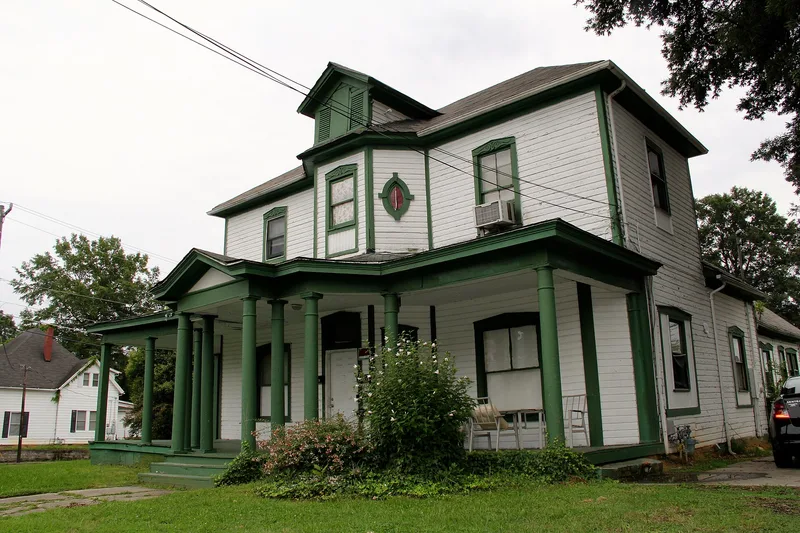
This residential neighborhood in Durham, North Carolina, extends the existing Holloway Street Historic District to the north. It covers roughly fifteen city blocks laid out on a grid, on land platted for Martha May in 1903 and W. Mangum Pratt in 1906. It holds ninety-two contributing principal buildings and two contributing outbuildings built between about 1900 and 1945. The houses follow the changing tastes of the period. The earliest are Queen Anne houses and small triple-A-roofed cottages. Colonial Revival houses and duplexes appeared in the 1910s, Craftsman bungalows in the 1920s and 1930s, and Minimal Traditional and multi-family housing in the 1930s and 1940s. Many houses have vinyl or aluminum siding and replacement windows, but most keep their form, massing and layout. Since 1980, demolitions have left scattered vacant lots, and later multi-plexes fill some of them. Sanborn maps, city directories and tax records were used to date the houses and identify early residents, many of them clerks, physicians and tradesmen.
Machine-generated summary. This summary was generated by a language model from the official nomination document and has not been reviewed line by line by an editor. It may contain errors. Check the source document before relying on any detail. Source: nomination document (PDF) · catalog entry. Generated October 2026 (model claude-sonnet-5-5, prompt v1.0-2026-10-29).
| Period of significance | 1900-1945 |
|---|---|
| Styles | Queen Anne, Bungalow/Craftsman, Colonial Revival; other: triple-A, Minimal Traditional |
| Areas of significance | Architecture |
| Acreage | 28.7 |
| Boundary source | NPS cultural-resource GIS polygon |
| Full listing page | Holloway Street Historic District (Boundary Increase) (property record) |
What listing means for this property
This is a historic district. Buildings within its boundary are either contributing (they add to the district's significance) or non-contributing. Owners of contributing income-producing buildings can claim the 20% federal rehabilitation tax credit; homeowners should look at state credits. National Register districts impose no design review by themselves; a local historic district ordinance, if one exists, does (the difference explained).
General information, not legal or tax advice. Rules change; confirm with your State Historic Preservation Office or a qualified adviser.