Grove Park Historic District

Why it's listed
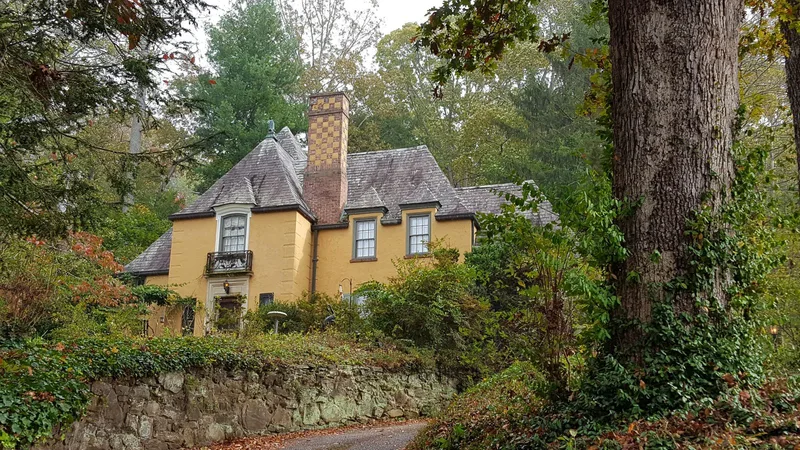
Laid out from 1908 in Asheville, the Grove Park district is a planned suburb of detached single-family houses on curving streets, with large lots of one-third to one-half acre and stone retaining walls. Edwin Wiley Grove, a St. Louis pharmaceutical manufacturer, developed it with landscape designer Chauncey Beadle, who had worked for the Olmsted firm and the Biltmore Estate. The layout broke with Asheville's earlier grid pattern and was planned around the automobile, with rear alleys serving garages. The district holds 156 principal buildings, most of them dating from 1908 to 1938, in a range of revival and eclectic styles. Architects represented include Richard Sharp Smith, Ronald Greene, Henry I. Gaines and James Gamble Rogers. Its significance rests on its planning and landscape, and on the architecture of its houses, which the nomination describes as an intact example of early twentieth-century suburban design.
Machine-generated summary. This summary was generated by a language model from the official nomination document and has not been reviewed line by line by an editor. It may contain errors. Check the source document before relying on any detail. Source: nomination document (PDF) · catalog entry. Generated October 2026 (model claude-haiku-5-5, prompt v1.1-2026-10-29).
| Period of significance | 1908-1938 |
|---|---|
| Styles | Colonial Revival, Tudor Revival, Bungalow/Craftsman, American Foursquare, Shingle, Neo-Classical, Prairie, Georgian Revival, Italian Renaissance, Chateauesque, Queen Anne |
| Areas of significance | Community Planning and Development, Landscape Architecture, Architecture |
| Acreage | 82 |
| Boundary source | NPS cultural-resource GIS polygon |
| Full listing page | Grove Park Historic District (property record) |
What listing means for this property
This is a historic district. Buildings within its boundary are either contributing (they add to the district's significance) or non-contributing. Owners of contributing income-producing buildings can claim the 20% federal rehabilitation tax credit; homeowners should look at state credits. National Register districts impose no design review by themselves; a local historic district ordinance, if one exists, does (the difference explained).
General information, not legal or tax advice. Rules change; confirm with your State Historic Preservation Office or a qualified adviser.