Chapel Hill Historic District

Why it's listed
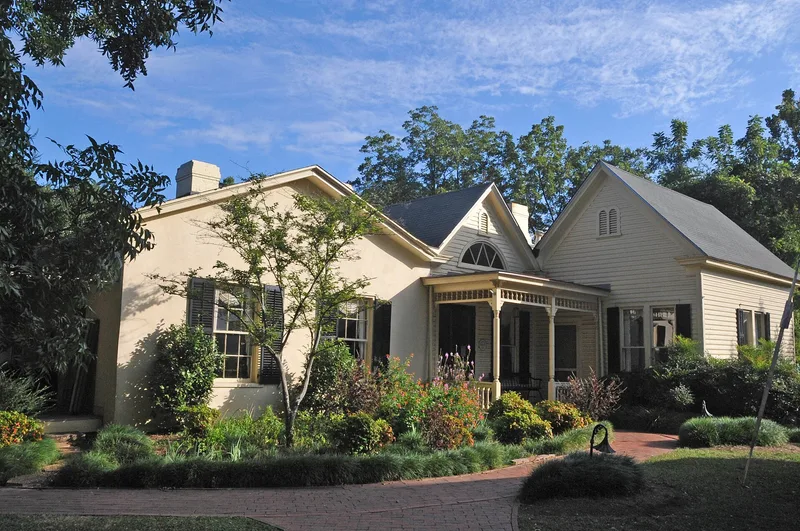
Chapel Hill's historic district takes in the heart of the University of North Carolina campus, the nearby East Franklin Street and East Rosemary Street neighborhood, and Battle Park. The university was sited on this ridge in 1792. The oldest campus buildings include Old East, completed in 1795, Old West, South Building, Person Hall and Gerrard Hall. Later additions include Playmakers Theatre, designed by A. J. Davis and finished in 1851, and New East and New West by William Percival. Early twentieth-century halls by Frank Milburn and others reflect Beaux Arts, Jacobethan and Neo-Classical tastes. Landmarks such as the Davie Poplar, the Old Well and the Joseph Caldwell Monument add to the setting. Beyond the campus, narrow streets, brick walkways, stone walls and mature trees give parts of the town a leisurely character. The district was listed because the whole ensemble of campus, village and landscape is considered more significant than its individual structures.
Machine-generated summary. This summary was generated by a language model from the official nomination document and has not been reviewed line by line by an editor. It may contain errors. Check the source document before relying on any detail. Source: nomination document (PDF) · catalog entry. Generated October 2026 (model claude-sonnet-5-5, prompt v1.0-2026-10-29).
| Styles | Classic Revival, Jacobethan Revival, Renaissance Revival, Georgian Revival and eclectic Neo-Classical/Beaux Arts campus architecture |
|---|---|
| Areas of significance | Landscape Architecture, Education, Science, Architecture, Performing Arts |
| Acreage | 328 |
| Boundary source | NPS cultural-resource GIS polygon |
| Full listing page | Chapel Hill Historic District (property record) |
What listing means for this property
This is a historic district. Buildings within its boundary are either contributing (they add to the district's significance) or non-contributing. Owners of contributing income-producing buildings can claim the 20% federal rehabilitation tax credit; homeowners should look at state credits. National Register districts impose no design review by themselves; a local historic district ordinance, if one exists, does (the difference explained).
General information, not legal or tax advice. Rules change; confirm with your State Historic Preservation Office or a qualified adviser.