Boylan Heights

Why it's listed
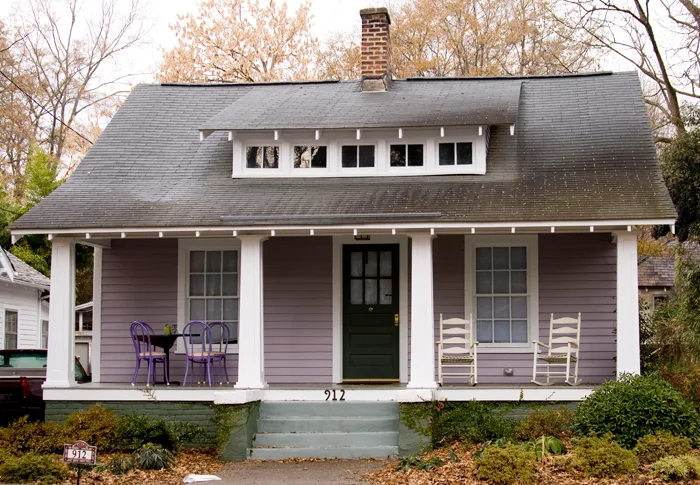
Boylan Heights is a residential neighborhood in Raleigh, planned on a curving grid that follows a wooded slope falling away from Montfort Hall. Boylan Avenue, a wide S-shaped street, serves as its main north-south axis, while service alleys run behind the narrow lots and Boylan Springs Park, later a school site, sits in the southeast. Mature trees, dogwoods and crepe myrtles line the streets. The houses are mostly wood-frame and conservative in design. Tall Queen Anne/Colonial hybrids and two-story Colonial Box houses stand along the principal streets, but the neighborhood is above all a suburb of bungalows, appearing in great variety from large dwellings to small cottages and duplexes. A brick school of 1926 adds contrast in scale and material. The district was listed because it keeps its original street plan, pedestrian scale and housing stock, which reflect the aims of its first residents to find quiet and security in the city. Later infill and siding changes have had only limited effect.
Machine-generated summary. This summary was generated by a language model from the official nomination document and has not been reviewed line by line by an editor. It may contain errors. Check the source document before relying on any detail. Source: nomination document (PDF) · catalog entry. Generated October 2026 (model claude-sonnet-5-5, prompt v1.0-2026-10-29).
| Styles | Bungalow/cottage forms, Colonial Box, and Queen Anne/Colonial Hybrid houses |
|---|---|
| Areas of significance | Community Planning and Development, Education, Architecture |
| Acreage | 82 |
| Boundary source | NPS cultural-resource GIS polygon |
| Full listing page | Boylan Heights (property record) |
What listing means for this property
This is a historic district. Buildings within its boundary are either contributing (they add to the district's significance) or non-contributing. Owners of contributing income-producing buildings can claim the 20% federal rehabilitation tax credit; homeowners should look at state credits. National Register districts impose no design review by themselves; a local historic district ordinance, if one exists, does (the difference explained).
General information, not legal or tax advice. Rules change; confirm with your State Historic Preservation Office or a qualified adviser.