Bath Historic District

Why it's listed
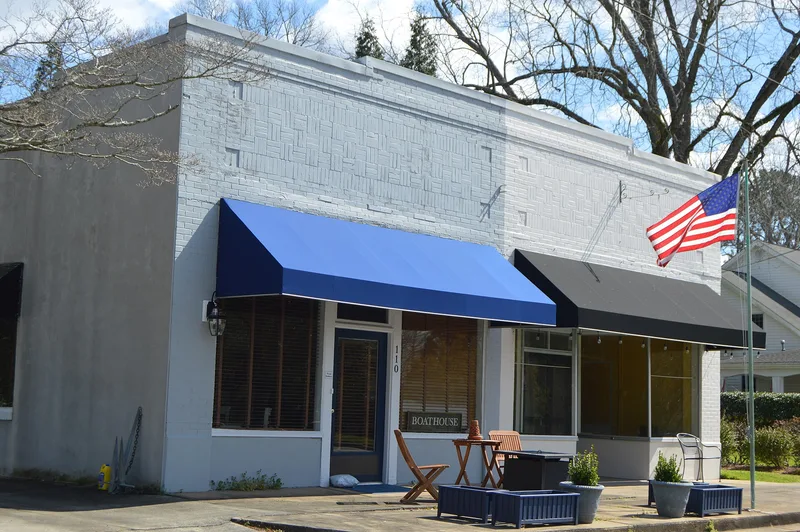
Bath is a small rural community on a flat point of land between Bath Creek and Back Creek in Beaufort County, North Carolina. Incorporated in 1705, it was laid out, probably by John Lawson, as a triangular village of seventy-one lots with a wide waterfront main street meant for business. Bath became a port of entry in 1715 and served as the colony's principal mart until 1730. The colonial assembly met there in 1744 and 1752, and several early governors and officials lived nearby. Three eighteenth-century buildings survive: St. Thomas Church, begun in 1734 and the oldest church building in continuous use in the state; the Palmer-Marsh House, a two-story brick townhouse of about 1750; and the Van Der Veer House. Nineteenth-century houses such as the Williams (Glebe) and Bonner houses line the quiet, tree-lined streets, which have few modern intrusions. The town declined after Washington became a port and the courthouse moved there in 1785.
Machine-generated summary. This summary was generated by a language model from the official nomination document and has not been reviewed line by line by an editor. It may contain errors. Check the source document before relying on any detail. Source: nomination document (PDF) · catalog entry. Generated October 2026 (model claude-sonnet-5-5, prompt v1.0-2026-10-29).
| Areas of significance | Community Planning and Development, Commerce, Politics/Government, Architecture, Religion |
|---|---|
| Acreage | 80 |
| Boundary source | NPS cultural-resource GIS polygon |
| Full listing page | Bath Historic District (property record) |
What listing means for this property
This is a historic district. Buildings within its boundary are either contributing (they add to the district's significance) or non-contributing. Owners of contributing income-producing buildings can claim the 20% federal rehabilitation tax credit; homeowners should look at state credits. National Register districts impose no design review by themselves; a local historic district ordinance, if one exists, does (the difference explained).
General information, not legal or tax advice. Rules change; confirm with your State Historic Preservation Office or a qualified adviser.