Thomas Indian School

Why it's listed
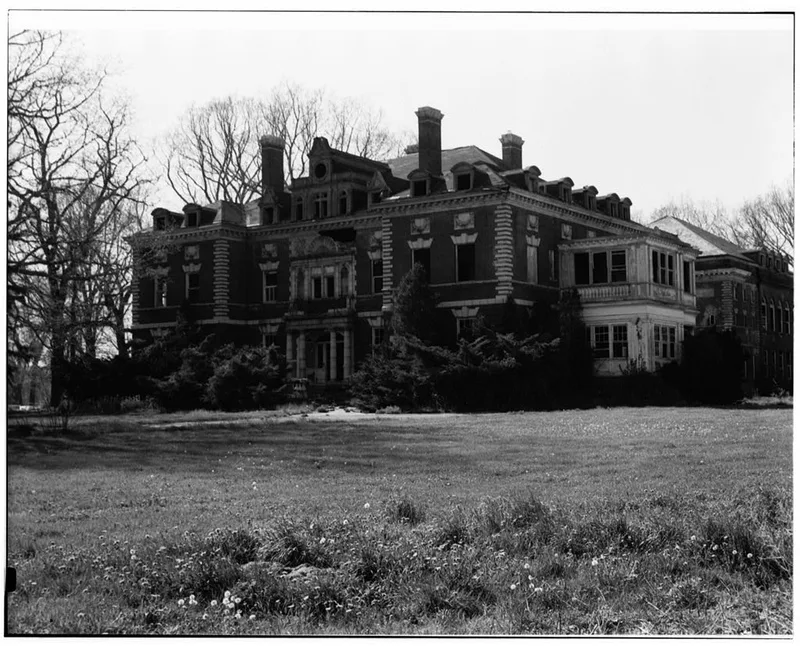
Thomas Indian School occupies a campus on Route 438 on the Cattaraugus Indian Reservation in Irving, New York. The State built it in 1900 to a plan by the New York architects Barney and Chapman. Nine red brick buildings, including an Administration Building, four dormitories, a schoolhouse and an infirmary, face a main driveway, with more than twenty-five farm and vocational outbuildings behind them. The Administration Building carries Indian statues in niches and garlands of wheat and corn. Trees were planted in circles between the dormitories. The institution began about fifty years earlier as an asylum for homeless Indian children, run by Rev. and Mrs. Asher Wright with help from Philip E. Thomas, and the State took over its support in 1875. It later became an accredited school and the social center of the reservation. It closed in 1958 as pupils moved into nearby public schools. At nomination, only the Infirmary was in use and local Indians hoped to rehabilitate the rest.
Machine-generated summary. This summary was generated by a language model from the official nomination document and has not been reviewed line by line by an editor. It may contain errors. Check the source document before relying on any detail. Source: nomination document (PDF) · catalog entry. Generated October 2026 (model claude-sonnet-5-5, prompt v1.0-2026-10-29).
| Period of significance | 20th Century; specific date 1900 |
|---|---|
| Styles | Georgian Revival |
| Areas of significance | Landscape Architecture, Native American, Education, Architecture, Social History |
| Acreage | 37 |
| Boundary source | NPS cultural-resource GIS polygon |
| Full listing page | Thomas Indian School (property record) |
What listing means for this property
This is a historic district. Buildings within its boundary are either contributing (they add to the district's significance) or non-contributing. Owners of contributing income-producing buildings can claim the 20% federal rehabilitation tax credit; homeowners should look at state credits. National Register districts impose no design review by themselves; a local historic district ordinance, if one exists, does (the difference explained).
General information, not legal or tax advice. Rules change; confirm with your State Historic Preservation Office or a qualified adviser.