Seneca River Crossing Canals Historic District

Why it's listed
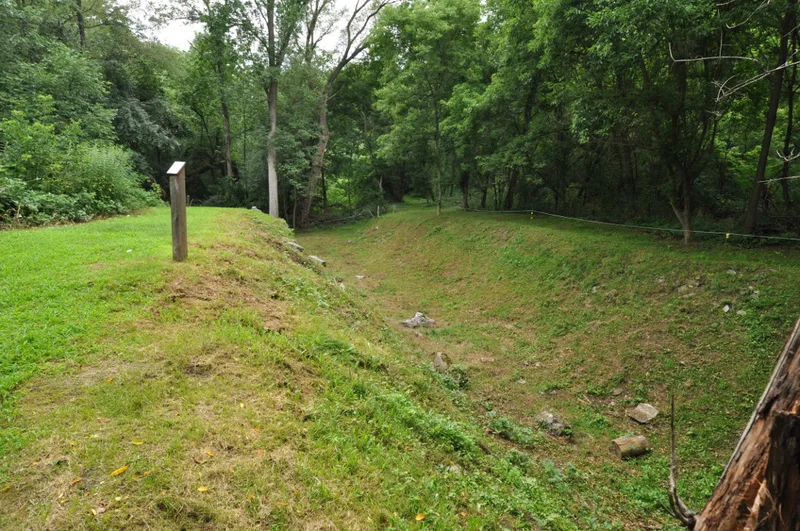
Remnants of three New York canals meet along the Seneca River near Montezuma and Tyre. The district covers more than a mile of the Enlarged Erie Canal, pieces of the original 1817-1825 Erie Canal known as Clinton's Ditch, and a short stretch of the Cayuga & Seneca Canal. Its centerpiece is the Richmond Aqueduct, designed by state engineer Van Rensselaer Richmond and opened in 1857 with 31 limestone arches carrying the canal over the river. When the Barge Canal used this stretch of the Seneca River, the aqueduct's center was removed, leaving nine arches. Other features include a drydock, a stone culvert, Locks 62 and 11, wooden piers from an early mule bridge, and a rare change bridge abutment. The canal was raised and rerouted here to lift it above the swampy Cayuga Marshes. The district was listed for its transportation and engineering importance and for its fine stone construction.
Machine-generated summary. This summary was generated by a language model from the official nomination document and has not been reviewed line by line by an editor. It may contain errors. Check the source document before relying on any detail. Source: nomination document (PDF) · catalog entry. Generated October 2026 (model claude-sonnet-5-5, prompt v1.0-2026-10-29).
| Period of significance | 1817-1917 |
|---|---|
| Areas of significance | Transportation, Engineering, Commerce |
| Acreage | 70 |
| Boundary source | NPS cultural-resource GIS polygon |
| Full listing page | Seneca River Crossing Canals Historic District (property record) |
What listing means for this property
This is a historic district. Buildings within its boundary are either contributing (they add to the district's significance) or non-contributing. Owners of contributing income-producing buildings can claim the 20% federal rehabilitation tax credit; homeowners should look at state credits. National Register districts impose no design review by themselves; a local historic district ordinance, if one exists, does (the difference explained).
General information, not legal or tax advice. Rules change; confirm with your State Historic Preservation Office or a qualified adviser.