Greenpoint Historic District

Why it's listed
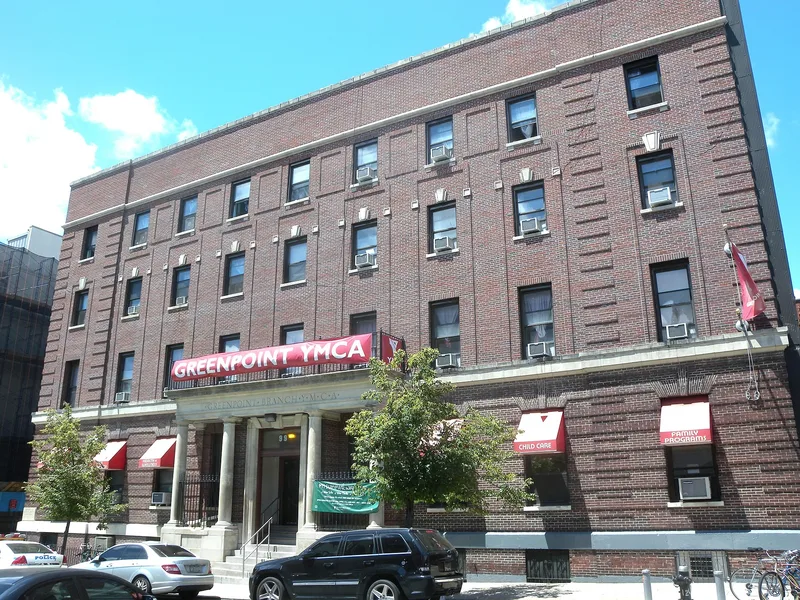
Greenpoint Historic District covers eleven blocks of northern Brooklyn, a neighborhood that grew in the mid-nineteenth century alongside industry on the waterfront. Its streets hold substantial rowhouses built for factory owners and managers, more modest rowhouses and walk-up flathouses for laborers, plus shops, banks and six churches. Italianate houses with high stoops and bracketed cornices dominate, joined by Anglo-Italianate, Second Empire, neo-Grec and Queen Anne buildings, and by neo-Classical banks of 1895 and 1906. Unlike many Brooklyn areas, where developers built long rows for resale to commuters, most Greenpoint buildings were commissioned individually by owners and builders for people who worked nearby. The district was listed because it preserves this distinctive pattern of industrial-era residential life and keeps an unusually high level of architectural integrity. Streets still show vistas little changed since the turn of the century, with only seventeen intrusions among its buildings.
Machine-generated summary. This summary was generated by a language model from the official nomination document and has not been reviewed line by line by an editor. It may contain errors. Check the source document before relying on any detail. Source: nomination document (PDF) · catalog entry. Generated October 2026 (model claude-sonnet-5-5, prompt v1.0-2026-10-29).
| Period of significance | 1850's-1930 |
|---|---|
| Styles | Italianate, Anglo-Italianate, French Second Empire, neo-Grec, Queen Anne, Gothic Revival and neo-Classical |
| Areas of significance | Architecture |
| Acreage | 43 |
| Boundary source | NPS cultural-resource GIS polygon |
| Full listing page | Greenpoint Historic District (property record) |
What listing means for this property
This is a historic district. Buildings within its boundary are either contributing (they add to the district's significance) or non-contributing. Owners of contributing income-producing buildings can claim the 20% federal rehabilitation tax credit; homeowners should look at state credits. National Register districts impose no design review by themselves; a local historic district ordinance, if one exists, does (the difference explained).
General information, not legal or tax advice. Rules change; confirm with your State Historic Preservation Office or a qualified adviser.