Church Street Historic District

Why it's listed
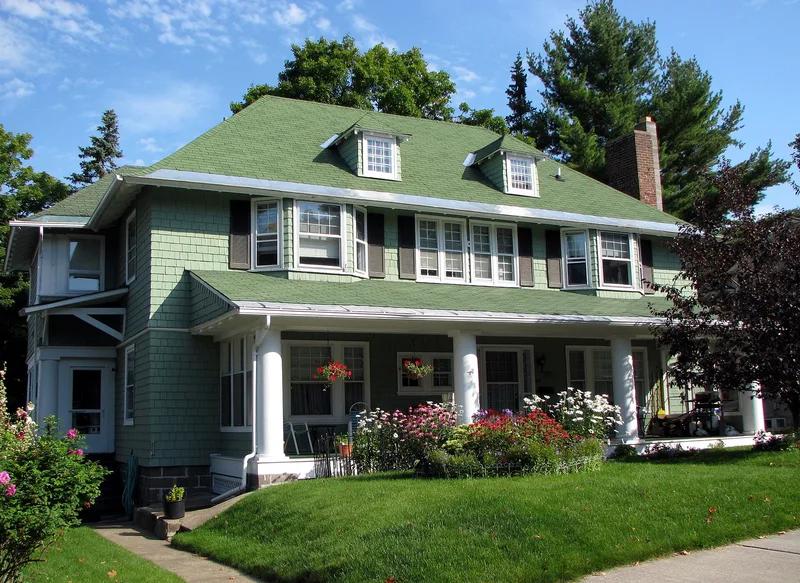
Church Street and the adjoining stretch of Main Street form a two-block district at the center of Saranac Lake, one of the village's five original streets. It contains 27 contributing buildings, including three early churches, a medical laboratory, two libraries, physicians' homes and offices, at least six cure cottages and several carriage houses and garages. Most date from the late 1870s to 1900. The district is significant as the village's medical and religious center. Dr. E.L. Trudeau, founder of the Adirondack Cottage Sanitarium, had his office and research laboratory here, and other noted tuberculosis physicians lived and practiced nearby. Many houses show cure features such as deep verandas, sleeping porches with sliding glass panels and extra-wide doorways. The district also holds St. Luke's Episcopal, First Presbyterian and First United Methodist churches. Styles include Gothic Revival, Queen Anne, Colonial Revival, Tudor Revival and Bungalow, with work by architects such as R.M. Upjohn, J. Lawrence Aspinwall and Scopes & Feustmann.
Machine-generated summary. This summary was generated by a language model from the official nomination document and has not been reviewed line by line by an editor. It may contain errors. Check the source document before relying on any detail. Source: nomination document (PDF) · catalog entry. Generated October 2026 (model claude-sonnet-5-5, prompt v1.0-2026-10-29).
| Period of significance | ca.1879-1940 |
|---|---|
| Styles | Colonial Revival, Tudor Revival, Gothic Revival, Bungalow |
| Areas of significance | Health/Medicine, Architecture |
| Acreage | 5 |
| Boundary source | NPS cultural-resource GIS polygon |
| Full listing page | Church Street Historic District (property record) |
What listing means for this property
This is a historic district. Buildings within its boundary are either contributing (they add to the district's significance) or non-contributing. Owners of contributing income-producing buildings can claim the 20% federal rehabilitation tax credit; homeowners should look at state credits. National Register districts impose no design review by themselves; a local historic district ordinance, if one exists, does (the difference explained).
General information, not legal or tax advice. Rules change; confirm with your State Historic Preservation Office or a qualified adviser.