Armory Square Historic District
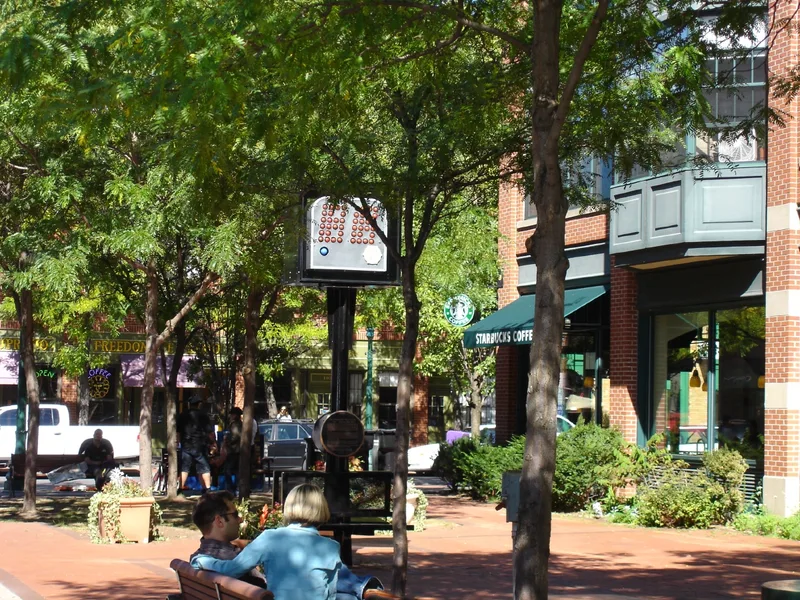

Why it's listed
Armory Square is a compact group of forty-six commercial and industrial buildings in downtown Syracuse, arranged around the oval green of Armory Park. Built between 1870 and 1941, the warehouses, factories, hotels and office blocks line portions of five streets and show Italianate, Romanesque Revival, Queen Anne, Commercial and Art Moderne designs. Notable examples include the Tallman Block by Archimedes Russell, the Hogan Block by Charles Colton, the Loew Building by Thomas Lamb, the Dome Hotel, the fortress-like State Armory and the 1941 railroad passenger station. Only five buildings do not contribute to the district's character. The area grew on land once occupied by a mill pond, filled and developed after 1848, and became a warehouse district beside the city's rail facilities. Cast-iron storefronts, prism glass, brick and stone detailing survive widely. Unlike most of downtown Syracuse, the core remains intact, and many buildings are being rehabilitated for new uses.
Machine-generated summary. This summary was generated by a language model from the official nomination document and has not been reviewed line by line by an editor. It may contain errors. Check the source document before relying on any detail. Source: nomination document (PDF) · catalog entry. Generated October 2026 (model claude-sonnet-5-5, prompt v1.0-2026-10-29).
| Period of significance | 1870-1940 |
|---|---|
| Styles | Varied: Romanesque Revival, Second Empire, Italianate, Queen Anne, Commercial style and Art Moderne |
| Areas of significance | Commerce, Transportation, Architecture |
| Acreage | 17.5 |
| Boundary source | NPS cultural-resource GIS polygon |
| Full listing page | Armory Square Historic District (property record) |
What listing means for this property
This is a historic district. Buildings within its boundary are either contributing (they add to the district's significance) or non-contributing. Owners of contributing income-producing buildings can claim the 20% federal rehabilitation tax credit; homeowners should look at state credits. National Register districts impose no design review by themselves; a local historic district ordinance, if one exists, does (the difference explained).
General information, not legal or tax advice. Rules change; confirm with your State Historic Preservation Office or a qualified adviser.