Westover-Bacon-Potts Farm

Why it's listed
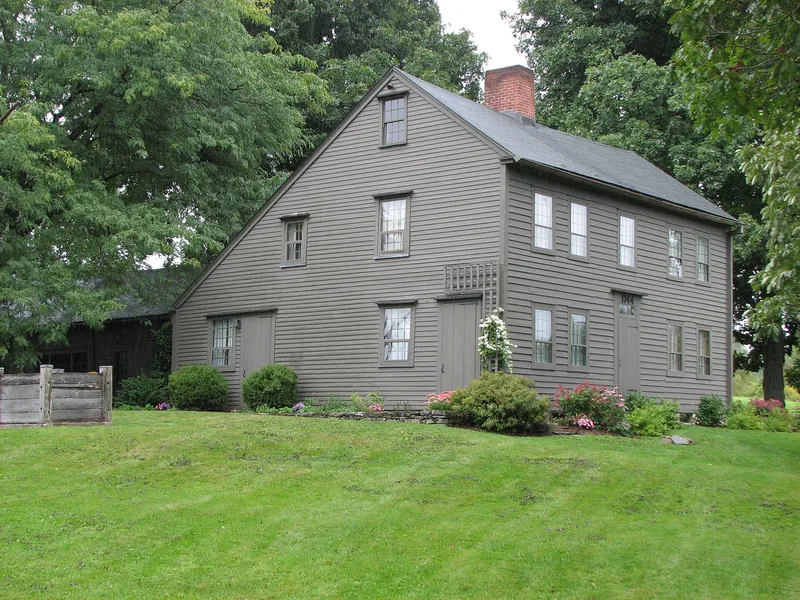
Westover-Bacon-Potts Farm is a 150-acre farm in the uplands of Egremont, Berkshire County, Massachusetts. Its focal point is a five-bay, two-and-one-half-story saltbox house with a massive central chimney, built in 1744 by Jonah Westover, with a date inscribed over the front door. A former woodshed and a converted horse barn, both from the early 1800s, connect to the house. Other contributing resources include a barn, a carriage shed, a tool shed, wells and surrounding fields, woodland and remnants of stone walls. The farm was owned by one family, the Bacons, Potts and Warners, from the early 1800s until 1966, and worked as a dairy farm known for its cheese. It is described as the oldest surviving dwelling in Egremont and as an unusually intact mid-eighteenth-century farmstead. Large parts of the land are protected by agricultural and conservation restrictions. It was recognized for its agricultural and architectural importance to the town and county.
Machine-generated summary. This summary was generated by a language model from the official nomination document and has not been reviewed line by line by an editor. It may contain errors. Check the source document before relying on any detail. Source: nomination document (PDF) · catalog entry. Generated October 2026 (model claude-sonnet-5-5, prompt v1.0-2026-10-29).
| Period of significance | 1744-1939 |
|---|---|
| Styles | Colonial / Georgian; No Style (Second Period saltbox dwelling) |
| Areas of significance | Agriculture, Exploration/Settlement, Architecture |
| Acreage | 150.2 |
| Boundary source | NPS cultural-resource GIS polygon |
| Full listing page | Westover-Bacon-Potts Farm (property record) |
What listing means for this property
This is a historic district. Buildings within its boundary are either contributing (they add to the district's significance) or non-contributing. Owners of contributing income-producing buildings can claim the 20% federal rehabilitation tax credit; homeowners should look at state credits. National Register districts impose no design review by themselves; a local historic district ordinance, if one exists, does (the difference explained).
General information, not legal or tax advice. Rules change; confirm with your State Historic Preservation Office or a qualified adviser.