West Chesterfield Historic District

Why it's listed
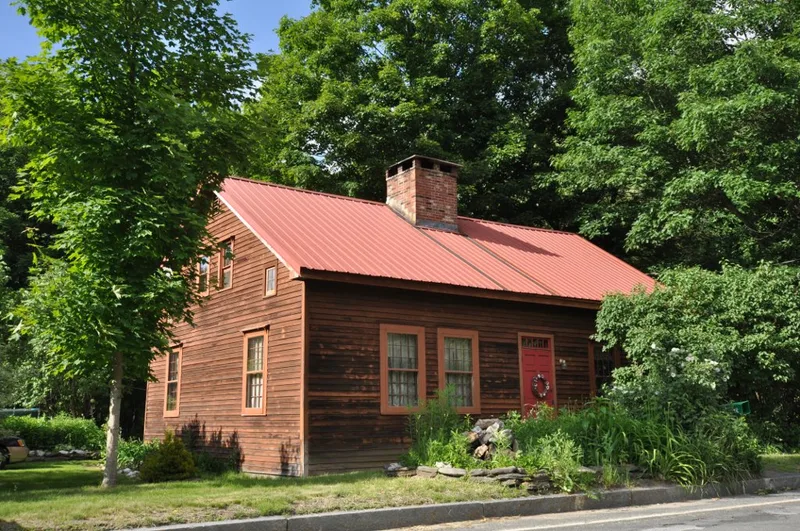
West Chesterfield is a village district in the Westfield River valley in the hill country of western Massachusetts, about three miles northwest of Chesterfield Center and roughly 700 feet lower in elevation. The district contains 45 contributing resources, mainly 19th-century houses, barns and mill-related sites, plus the 1948 West Chesterfield Bridge, a cemetery and the river itself. Federal-style Capes such as the Bryant and Robinson houses sit alongside Greek Revival, Italianate, Queen Anne and Colonial Revival buildings. The village's importance rests on its role as a small industrial and transportation node. A turnpike toll gate and later stagecoach traffic passed through, and men with mechanical skills ran sawmills, tanneries, foundries and woodworking shops on the river and West Branch. Mill owners tried canals, water wheels, steam and electrical power to keep a steady source of energy. Buildings like the Thayer Brothers General Store and the Rhoades and Porter Plane Handle Shop reflect that working past.
Machine-generated summary. This summary was generated by a language model from the official nomination document and has not been reviewed line by line by an editor. It may contain errors. Check the source document before relying on any detail. Source: nomination document (PDF) · catalog entry. Generated October 2026 (model claude-sonnet-5-5, prompt v1.0-2026-10-29).
| Styles | Early Republic: Federal; Mid 19th C.: Greek Revival, Italianate; Late Victorian: Queen Anne; Late 19th & 20th Century Revival: Colonial Revival |
|---|---|
| Areas of significance | Architecture, Historic - Non-Aboriginal, Community Planning and Development, Industry |
| Boundary source | NPS cultural-resource GIS polygon |
| Full listing page | West Chesterfield Historic District (property record) |
What listing means for this property
This is a historic district. Buildings within its boundary are either contributing (they add to the district's significance) or non-contributing. Owners of contributing income-producing buildings can claim the 20% federal rehabilitation tax credit; homeowners should look at state credits. National Register districts impose no design review by themselves; a local historic district ordinance, if one exists, does (the difference explained).
General information, not legal or tax advice. Rules change; confirm with your State Historic Preservation Office or a qualified adviser.