Towne Street Historic District

Why it's listed
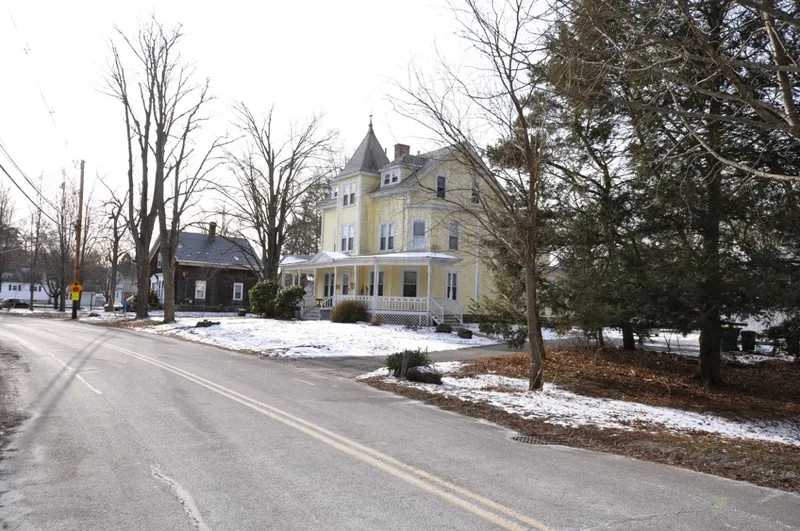
Towne Street Historic District is a small cluster of four houses and their outbuildings on a tree-lined rise at the edge of the Attleborough Falls mill village in North Attleborough, Massachusetts. The houses at 224, 240, 251 and 260 Towne Street date from about 1835 to about 1880 and remain in residential use. The earliest, the Stanley House and the Thomas Wilmarth House, face south in the manner of traditional New England farmhouses. The later Miller and E.B. Wilmarth Houses face the road, as village houses typically do. This contrast in orientation and lot size shows how a rural area gave way to village growth during the period when jewelry manufacturing drove the local economy. The buildings range from Greek Revival and Federal forms to Queen Anne and Colonial Revival additions. The district was recognized for its community development and architecture, and open land around it preserves its rural character.
Machine-generated summary. This summary was generated by a language model from the official nomination document and has not been reviewed line by line by an editor. It may contain errors. Check the source document before relying on any detail. Source: nomination document (PDF) · catalog entry. Generated October 2026 (model claude-sonnet-5-5, prompt v1.0-2026-10-29).
| Period of significance | ca. 1835-1953 |
|---|---|
| Styles | Federal, Greek Revival, Italianate, Queen Anne, Colonial Revival |
| Areas of significance | Architecture, Community Planning and Development |
| Acreage | 5.9 |
| Boundary source | NPS cultural-resource GIS polygon |
| Full listing page | Towne Street Historic District (property record) |
What listing means for this property
This is a historic district. Buildings within its boundary are either contributing (they add to the district's significance) or non-contributing. Owners of contributing income-producing buildings can claim the 20% federal rehabilitation tax credit; homeowners should look at state credits. National Register districts impose no design review by themselves; a local historic district ordinance, if one exists, does (the difference explained).
General information, not legal or tax advice. Rules change; confirm with your State Historic Preservation Office or a qualified adviser.