South Middleborough Historic District

Why it's listed
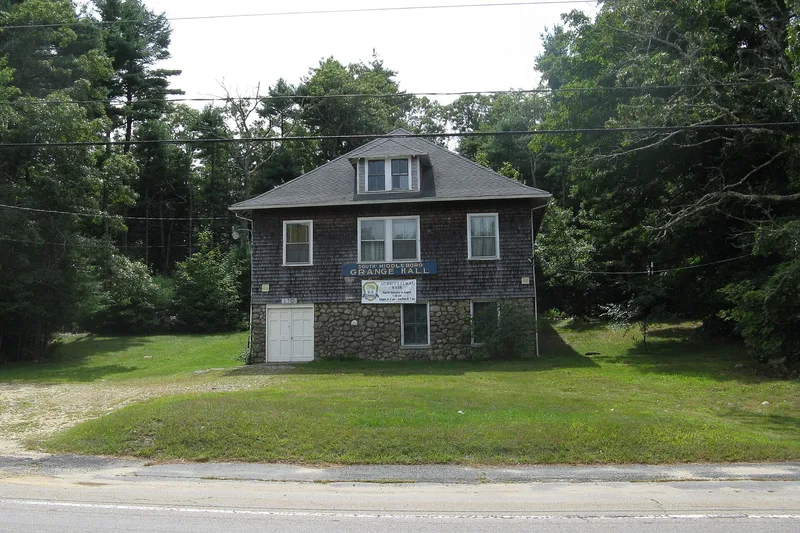
South Middleborough is a roadside village about six and a half miles south of Middleborough center, laid out along Wareham, Locust, and Spruce Streets over roughly 88 acres. Until 1960 these streets formed one of two principal routes between Boston and the summer resorts of Cape Cod. The district holds 75 contributing resources built between the late 18th and mid-20th centuries, including a ca. 1773 Baptist parsonage, Cape-style and Greek Revival houses, the stuccoed stone house of 1828, a church begun in 1841, a school, a grange hall, a fire station, and Sisson's Diner of about 1901. The village grew after the Cape Cod Branch Railroad arrived in 1848, when local farmers and mill owners such as the Benson family could ship lumber, boxboards, and other products to distant markets. Houses of mill owners and workers remained small and restrained. Later commercial buildings reflect the era of automobile travel toward Cape Cod.
Machine-generated summary. This summary was generated by a language model from the official nomination document and has not been reviewed line by line by an editor. It may contain errors. Check the source document before relying on any detail. Source: nomination document (PDF) · catalog entry. Generated October 2026 (model claude-sonnet-5-5, prompt v1.0-2026-10-29).
| Styles | New England Colonial, Greek Revival, Colonial Revival, Tudor Revival, Bungalow, Craftsman, Commercial |
|---|---|
| Areas of significance | Architecture, Commerce, Social History, Transportation |
| Acreage | 88 |
| Boundary source | NPS cultural-resource GIS polygon |
| Full listing page | South Middleborough Historic District (property record) |
What listing means for this property
This is a historic district. Buildings within its boundary are either contributing (they add to the district's significance) or non-contributing. Owners of contributing income-producing buildings can claim the 20% federal rehabilitation tax credit; homeowners should look at state credits. National Register districts impose no design review by themselves; a local historic district ordinance, if one exists, does (the difference explained).
General information, not legal or tax advice. Rules change; confirm with your State Historic Preservation Office or a qualified adviser.