Rehoboth Village Historic District

Why it's listed
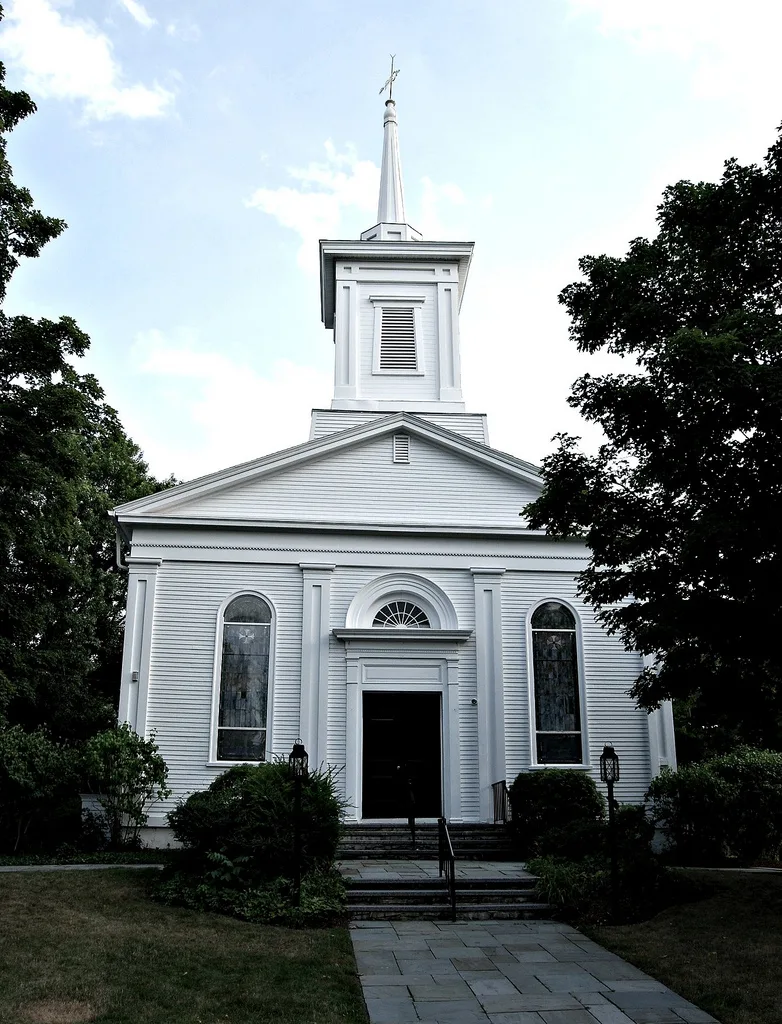
Rehoboth Village is a compact cluster of buildings along Bay State Road and Locust Street at the geographic center of Rehoboth, Massachusetts. Settlers came around 1700 for the water power of a fall line in the Palmer River, and gristmills, sawmills and later cotton mills operated there for roughly two hundred years. The village also held the town's first post office, a succession of general stores, and the Goff Memorial Hall, the home of the Rehoboth Antiquarian Society and later its library. Buildings range from a mid-18th-century three-quarter house to Federal and Greek Revival houses, Queen Anne dwellings, and the brick Tudor Revival hall of 1915 designed by William R. Walker and Son of Providence. Winding roads, mature plantings, a mill pond and surrounding fields preserve the setting. The district was recognized for its architectural character and its close ties to the community's economic, social and civic development.
Machine-generated summary. This summary was generated by a language model from the official nomination document and has not been reviewed line by line by an editor. It may contain errors. Check the source document before relying on any detail. Source: nomination document (PDF) · catalog entry. Generated October 2026 (model claude-sonnet-5-5, prompt v1.0-2026-10-29).
| Styles | Varied: Federal, Greek Revival, Italianate, Queen Anne and Tudor Revival, plus vernacular buildings |
|---|---|
| Areas of significance | Industry, Commerce, Architecture |
| Acreage | 12 |
| Boundary source | NPS cultural-resource GIS polygon |
| Full listing page | Rehoboth Village Historic District (property record) |
What listing means for this property
This is a historic district. Buildings within its boundary are either contributing (they add to the district's significance) or non-contributing. Owners of contributing income-producing buildings can claim the 20% federal rehabilitation tax credit; homeowners should look at state credits. National Register districts impose no design review by themselves; a local historic district ordinance, if one exists, does (the difference explained).
General information, not legal or tax advice. Rules change; confirm with your State Historic Preservation Office or a qualified adviser.