Padanaram Village Historic District

Why it's listed
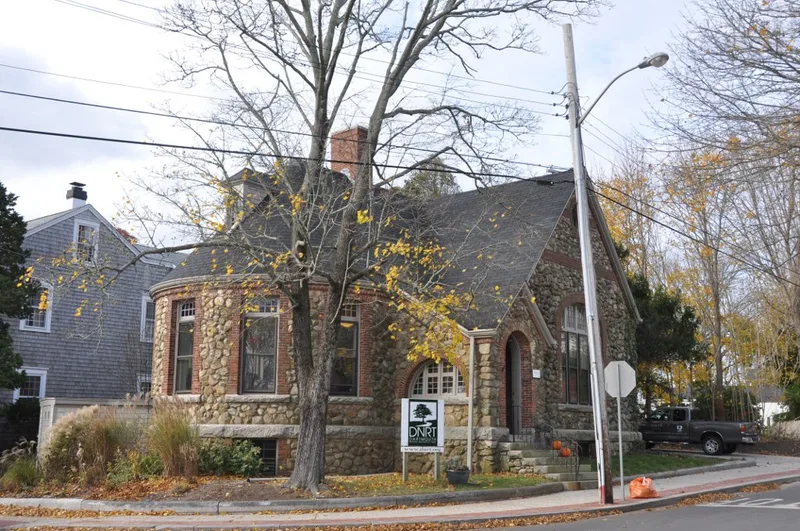
Padanaram Village occupies a peninsula on Apponagansett Bay in Dartmouth, Massachusetts, about three miles south of New Bedford. Its 150 acres contain 242 structures, 166 of them contributing, laid out on a grid of streets. Most are two- and three-story Federal-period houses from the late 18th and early 19th centuries, when shipbuilding, whaling and saltmaking made the village a busy maritime center. Greek Revival houses followed in the second quarter of the 19th century. After the Civil War the village turned into a summer resort and yachting center, adding Queen Anne, Shingle Style and Colonial Revival buildings, including the Lawton Inn, the Romanesque Revival Southworth Library and the New Bedford Yacht Club. It is the historic core of Dartmouth and keeps the town's largest collection of 18th and early 19th century buildings. Because many homes stayed in the same families for generations, intrusions are few. Postwar cottages and a fire station and restaurant on Bridge Street are the main noncontributing additions.
Machine-generated summary. This summary was generated by a language model from the official nomination document and has not been reviewed line by line by an editor. It may contain errors. Check the source document before relying on any detail. Source: nomination document (PDF) · catalog entry. Generated October 2026 (model claude-sonnet-5-5, prompt v1.0-2026-10-29).
| Period of significance | 1652-1930 |
|---|---|
| Styles | Federal, Greek Revival, Colonial Revival, Queen Anne, Shingle Style |
| Areas of significance | Industry, Commerce, Exploration/Settlement, Architecture, Religion, Maritime History, Social History |
| Acreage | 150 |
| Boundary source | NPS cultural-resource GIS polygon |
| Full listing page | Padanaram Village Historic District (property record) |
What listing means for this property
This is a historic district. Buildings within its boundary are either contributing (they add to the district's significance) or non-contributing. Owners of contributing income-producing buildings can claim the 20% federal rehabilitation tax credit; homeowners should look at state credits. National Register districts impose no design review by themselves; a local historic district ordinance, if one exists, does (the difference explained).
General information, not legal or tax advice. Rules change; confirm with your State Historic Preservation Office or a qualified adviser.