Kennedy Compound

Why it's listed
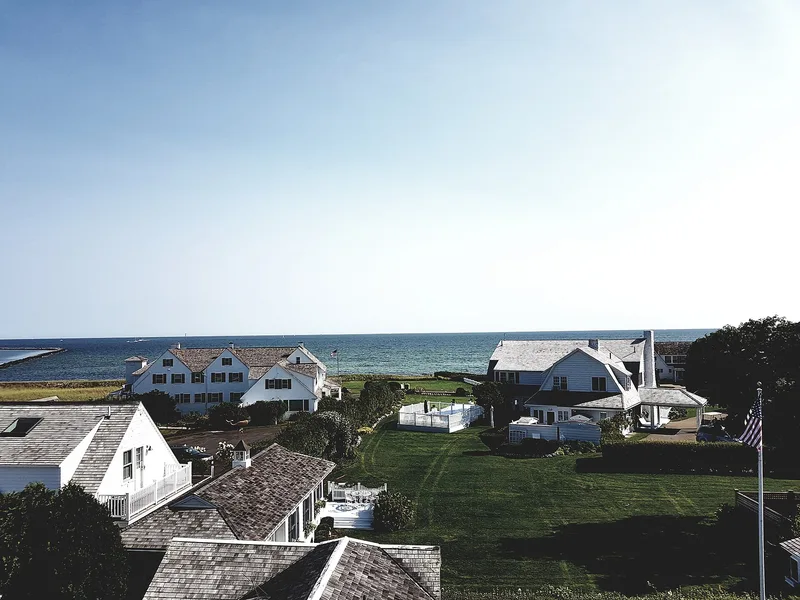
Three white frame clapboarded houses on about six acres beside Nantucket Sound make up this Hyannis Port compound, typical of Cape Cod vacation homes. The largest belonged to Joseph P. Kennedy, who rented the 1904 cottage in 1926, bought it in 1929 and greatly enlarged it. His children spent their summers there, learning to sail and taking part in competitive activities. John F. Kennedy bought a smaller house on Irving Avenue in 1956, and Robert Kennedy acquired a house adjoining both properties. The compound was John Kennedy's base during the 1960 presidential campaign and served as the Summer White House in 1961, though security and privacy problems later led him to stay in nearby Squaw Island homes. The main house was the center of family activity for most summers from 1926 to 1963 and has changed little since. The three properties together are treated as one historic property because of their place in the political history of the 1950s and 1960s.
Machine-generated summary. This summary was generated by a language model from the official nomination document and has not been reviewed line by line by an editor. It may contain errors. Check the source document before relying on any detail. Source: nomination document (PDF) · catalog entry. Generated October 2026 (model claude-sonnet-5-5, prompt v1.0-2026-10-29).
| Period of significance | 20th Century (1926-1963 discussed in text) |
|---|---|
| Styles | White frame clapboarded structures typical of Cape Cod vacation homes |
| Areas of significance | Politics/Government |
| Acreage | 6 |
| Boundary source | NPS cultural-resource GIS polygon |
| Full listing page | Kennedy Compound (property record) |
What listing means for this property
This is a historic district. Buildings within its boundary are either contributing (they add to the district's significance) or non-contributing. Owners of contributing income-producing buildings can claim the 20% federal rehabilitation tax credit; homeowners should look at state credits. National Register districts impose no design review by themselves; a local historic district ordinance, if one exists, does (the difference explained).
General information, not legal or tax advice. Rules change; confirm with your State Historic Preservation Office or a qualified adviser.