Jarvesville Historic District

Why it's listed
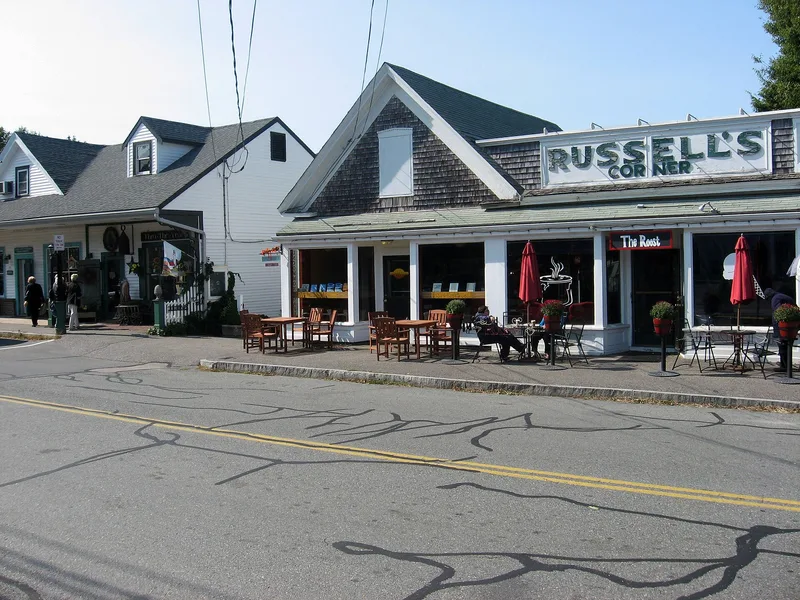
Jarvesville is a 137-acre neighborhood in northern Sandwich, Massachusetts, that grew up around the Boston & Sandwich Glass Company, which opened in 1825 under Deming Jarves. The district holds 211 contributing resources, most of them modest single-family and multifamily houses built from about 1825 to 1860 for glass-factory workers, in Greek Revival and Federal forms. Larger houses closer to Sandwich Center were built for managers. Jarves Street forms a commercial spine, with buildings such as the 1883 Block and the 1901 Corpus Christi Church. No glassworks buildings survive, but the site is marked by canals cut through the salt marsh, wooden pilings from a horse railroad, a former park, and glass fragments and slag. The company drew many English and Irish workers, and a Roman Catholic chapel built here around 1830 is considered the first on Cape Cod. The district was listed for this record of a 19th-century industrial village and its landscape.
Machine-generated summary. This summary was generated by a language model from the official nomination document and has not been reviewed line by line by an editor. It may contain errors. Check the source document before relying on any detail. Source: nomination document (PDF) · catalog entry. Generated October 2026 (model claude-sonnet-5-5, prompt v1.0-2026-10-29).
| Period of significance | ca. 1746-1960 (the form says contributing resources date from ca. 1746 through a period of significance ending in 1960) |
|---|---|
| Styles | Federal; Greek Revival; Italianate; Romanesque |
| Areas of significance | Architecture, Historic - Non-Aboriginal, Community Planning and Development, Industry |
| Acreage | 137 |
| Boundary source | NPS cultural-resource GIS polygon |
| Full listing page | Jarvesville Historic District (property record) |
What listing means for this property
This is a historic district. Buildings within its boundary are either contributing (they add to the district's significance) or non-contributing. Owners of contributing income-producing buildings can claim the 20% federal rehabilitation tax credit; homeowners should look at state credits. National Register districts impose no design review by themselves; a local historic district ordinance, if one exists, does (the difference explained).
General information, not legal or tax advice. Rules change; confirm with your State Historic Preservation Office or a qualified adviser.