High, Church and Gould Streets Historic District

Why it's listed
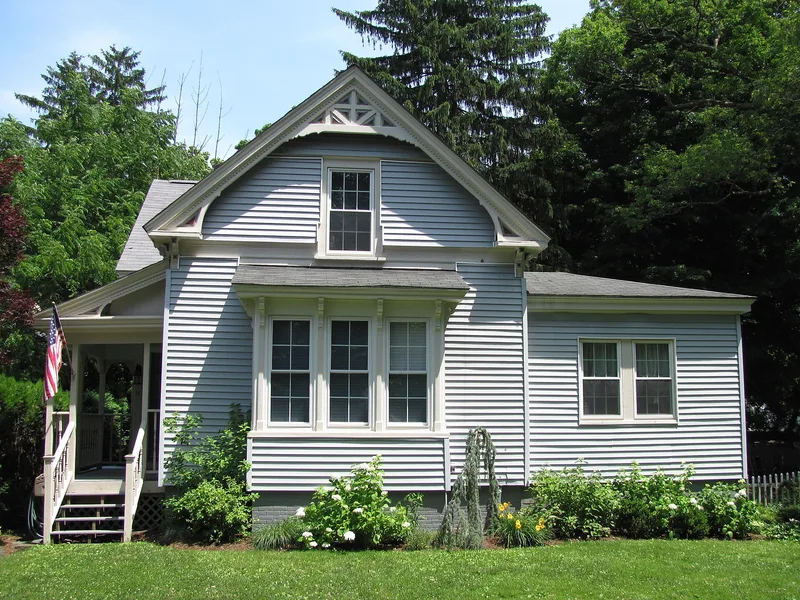
This neighborhood in the north-central part of North Attleborough, Massachusetts, takes in most of High and Church Streets and part of Gould Street. Its houses record about a century of residential building, from Greek Revival and Gothic Revival homes of the 1830s to 1860s through Second Empire, Queen Anne, Stick and Colonial Revival designs. The busiest decade was the 1870s, when fifteen houses went up. Many are vernacular houses with period trim, while several high-style residences came from architectural firms in nearby Providence, Rhode Island. The area developed alongside the town's jewelry industry, and nearly all the original owners were officers or managers of local jewelry firms, with a few professionals and merchants among them. Granite curbs, brick walls and limestone steps survive on some lots. The district is set apart from adjoining streets by the consistent quality, scale and upkeep of its buildings, and the houses are noted for their lack of alteration and good maintenance.
Machine-generated summary. This summary was generated by a language model from the official nomination document and has not been reviewed line by line by an editor. It may contain errors. Check the source document before relying on any detail. Source: nomination document (PDF) · catalog entry. Generated October 2026 (model claude-sonnet-5-5, prompt v1.0-2026-10-29).
| Styles | Greek Revival, Gothic Revival, Italianate, Second Empire, Queen Anne, Shingle Style, Stick Style, Colonial Revival |
|---|---|
| Areas of significance | Architecture, Community Planning and Development |
| Acreage | 20 |
| Boundary source | NPS cultural-resource GIS polygon |
| Full listing page | High, Church and Gould Streets Historic District (property record) |
What listing means for this property
This is a historic district. Buildings within its boundary are either contributing (they add to the district's significance) or non-contributing. Owners of contributing income-producing buildings can claim the 20% federal rehabilitation tax credit; homeowners should look at state credits. National Register districts impose no design review by themselves; a local historic district ordinance, if one exists, does (the difference explained).
General information, not legal or tax advice. Rules change; confirm with your State Historic Preservation Office or a qualified adviser.