Agawam Center Historic District
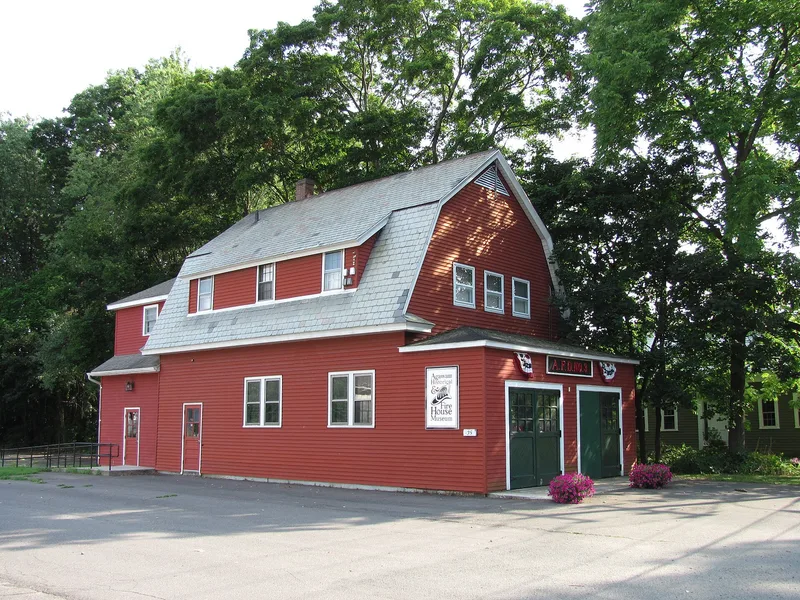

Why it's listed
Agawam Center is a tree-lined residential district on the west bank of the Connecticut River valley, arranged along Main Street (Route 159) and Elm Street, which crosses it at the center. Houses are mixed with commercial, religious, school and cemetery uses. The earliest surviving building is the Bliss Tavern, a Georgian house of about 1750. The district's strength lies in its Federal architecture, ranging from modest Cape-form cottages to high-style houses with Palladian windows, fanlights and carved detail. The Captain Charles and Mercy Leonard House of 1805 is the finest, attributed to Asher Benjamin's handbook designs and listed individually. Later Greek Revival alterations and mid-19th-century houses show continued growth. The district also reflects local history: a woolen mill that became the Agawam Company, a growing tobacco and dairy farming economy, and the town's incorporation in 1855. Its high survival rate of Federal buildings sets it apart from neighboring towns.
Machine-generated summary. This summary was generated by a language model from the official nomination document and has not been reviewed line by line by an editor. It may contain errors. Check the source document before relying on any detail. Source: nomination document (PDF) · catalog entry. Generated October 2026 (model claude-sonnet-5-5, prompt v1.0-2026-10-29).
| Styles | Colonial/Georgian; Early Republic-Federal; Mid 19th century/Greek Revival/Gothic Revival |
|---|---|
| Areas of significance | Agriculture, Architecture, Community Planning and Development |
| Acreage | 82 |
| Boundary source | NPS cultural-resource GIS polygon |
| Full listing page | Agawam Center Historic District (property record) |
What listing means for this property
This is a historic district. Buildings within its boundary are either contributing (they add to the district's significance) or non-contributing. Owners of contributing income-producing buildings can claim the 20% federal rehabilitation tax credit; homeowners should look at state credits. National Register districts impose no design review by themselves; a local historic district ordinance, if one exists, does (the difference explained).
General information, not legal or tax advice. Rules change; confirm with your State Historic Preservation Office or a qualified adviser.