West Bluff Historic District

Why it's listed
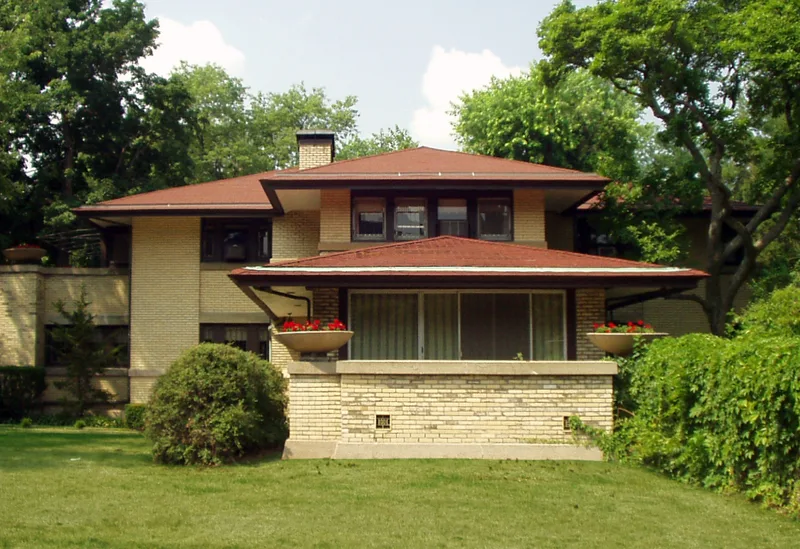
West Bluff Historic District covers roughly 365 acres on the bluffs above the Illinois River in Peoria. It is mainly a residential neighborhood of single-family houses, with masonry buildings nearest the bluff edge and frame houses toward the interior. The largest houses sit along the crest, especially on Randolph, High, and Moss streets, while more modest homes lie behind them. Styles range from Italianate and French Second Empire to Queen Anne, Classical Revival, and other revival forms, and the district includes two works by Frank Lloyd Wright and the Prairie School. Settlement began with farming in the 1840s, and more intensive residential building followed around mid-century as the city's commercial center expanded. The district was judged significant for its well-preserved architecture and for the open bluff setting, and for the prominent Peoria business and civic figures who lived there. A few modern commercial buildings, parking lots, and apartment buildings are noted as intrusions, mostly in the eastern part.
Machine-generated summary. This summary was generated by a language model from the official nomination document and has not been reviewed line by line by an editor. It may contain errors. Check the source document before relying on any detail. Source: nomination document (PDF) · catalog entry. Generated October 2026 (model claude-sonnet-5-5, prompt v1.0-2026-10-29).
| Period of significance | 1900- (box checked); text also refers to the 19th and early 20th centuries |
|---|---|
| Styles | Mixed 19th and early 20th century styles: Italianate, French Second Empire, Queen Anne, Classical Revival, other revival styles, and Prairie School |
| Areas of significance | Transportation, Architecture |
| Acreage | 365 |
| Boundary source | NPS cultural-resource GIS polygon |
| Full listing page | West Bluff Historic District (property record) |
What listing means for this property
This is a historic district. Buildings within its boundary are either contributing (they add to the district's significance) or non-contributing. Owners of contributing income-producing buildings can claim the 20% federal rehabilitation tax credit; homeowners should look at state credits. National Register districts impose no design review by themselves; a local historic district ordinance, if one exists, does (the difference explained).
General information, not legal or tax advice. Rules change; confirm with your State Historic Preservation Office or a qualified adviser.