Sheffield Historic District

Why it's listed
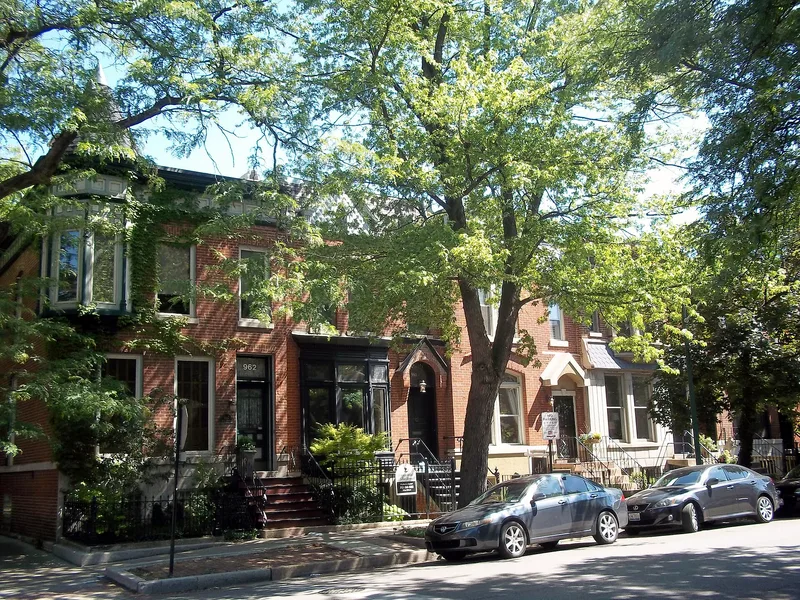
Sheffield is a roughly 530-acre neighborhood on Chicago's North Side, in the western part of Lincoln Park. Land once farmed by Joseph and Maria Sheffield filled with housing after about 1868, drawing German immigrants who worked at factories along the Chicago River and families attracted by McCormick Theological Seminary and St. Vincent de Paul parish. Horsecar, cable car and elevated lines added to its appeal. By about 1905, 60 to 70 percent of today's buildings were standing. Italianate wooden cottages, Queen Anne and Romanesque masonry houses, row houses, flats and polychromatic shop buildings line narrow, tree-edged streets, with commercial corridors on Lincoln, Halsted, Armitage and Fullerton. The district was listed because it keeps a consistent scale, materials and street pattern from its original middle class urban era. It declined from the 1920s through the 1950s without major losses, then recovered through rehabilitation from the 1960s onward.
Machine-generated summary. This summary was generated by a language model from the official nomination document and has not been reviewed line by line by an editor. It may contain errors. Check the source document before relying on any detail. Source: nomination document (PDF) · catalog entry. Generated October 2026 (model claude-sonnet-5-5, prompt v1.0-2026-10-29).
| Styles | Italianate cottages, urban Queen Anne, Romanesque, and some French style row houses |
|---|---|
| Areas of significance | Community Planning and Development, Architecture |
| Acreage | 530 |
| Boundary source | NPS cultural-resource GIS polygon |
| Full listing page | Sheffield Historic District (property record) |
What listing means for this property
This is a historic district. Buildings within its boundary are either contributing (they add to the district's significance) or non-contributing. Owners of contributing income-producing buildings can claim the 20% federal rehabilitation tax credit; homeowners should look at state credits. National Register districts impose no design review by themselves; a local historic district ordinance, if one exists, does (the difference explained).
General information, not legal or tax advice. Rules change; confirm with your State Historic Preservation Office or a qualified adviser.