Ryerson, Edward L., Area Historic District

Why it's listed
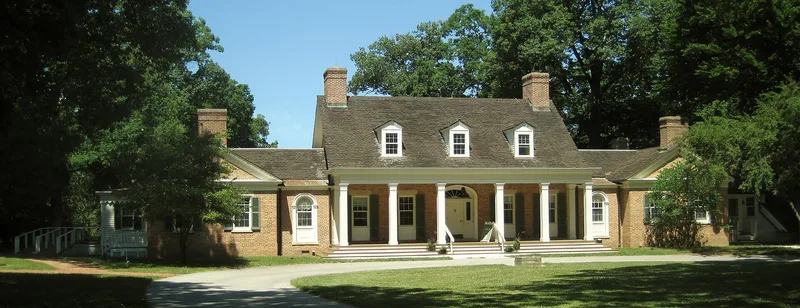
This 471-acre district along the Des Plaines River in Lake County, Illinois, preserves a weekend and country retreat landscape created by Chicago-area families between 1923 and 1945. Its centerpiece is Edward L. Ryerson's 1942 Classical Revival country house, set within formal gardens laid out by Ambrose Cramer. Nearby are a 1938 farm complex with pasture and open fields, tracts of forest, and five log cabins, beginning with Ryerson's own cabin of 1928. Other cabins were built by Hermon Dunlap Smith, Chauncey Borland, Cramer and Ivan Albright. Ryerson, head of the Ryerson Steel Company, described the cabin as a simple refuge from city and business pressures during the Depression. Aerial photographs, plats, recollections and vegetation patterns show that the land still reflects its use during the period. The property passed to the Lake County Forest Preserve in 1972 and is now a conservation area crossed by roads and hiking trails.
Machine-generated summary. This summary was generated by a language model from the official nomination document and has not been reviewed line by line by an editor. It may contain errors. Check the source document before relying on any detail. Source: nomination document (PDF) · catalog entry. Generated October 2026 (model claude-sonnet-5-5, prompt v1.0-2026-10-29).
| Period of significance | 1923-1945 |
|---|---|
| Styles | Late 19th and 20th Century Revivals: Classical Revival; also log construction and New England barn |
| Areas of significance | Social History, Architecture |
| Acreage | 471 |
| Boundary source | NPS cultural-resource GIS polygon |
| Full listing page | Ryerson, Edward L., Area Historic District (property record) |
What listing means for this property
This is a historic district. Buildings within its boundary are either contributing (they add to the district's significance) or non-contributing. Owners of contributing income-producing buildings can claim the 20% federal rehabilitation tax credit; homeowners should look at state credits. National Register districts impose no design review by themselves; a local historic district ordinance, if one exists, does (the difference explained).
General information, not legal or tax advice. Rules change; confirm with your State Historic Preservation Office or a qualified adviser.