Robbins Park Historic District

Why it's listed
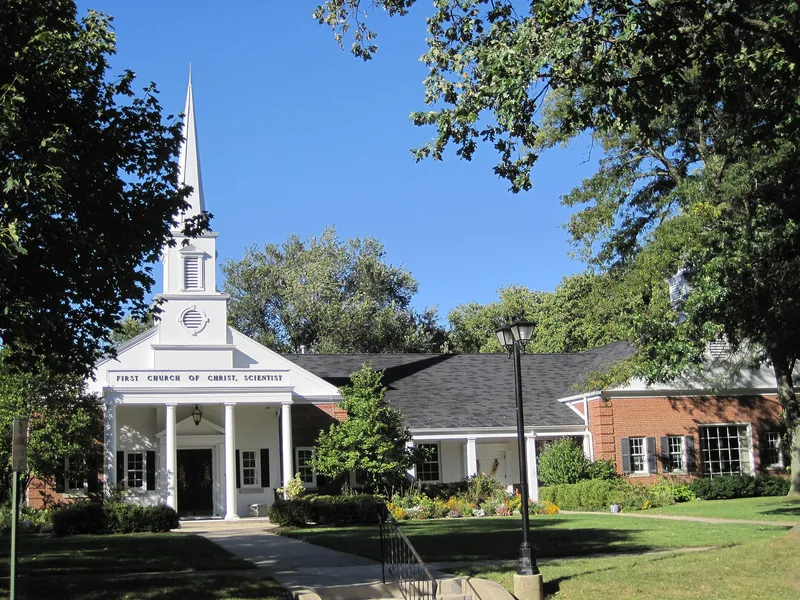
Robbins Park Historic District occupies 28 blocks and roughly 275 acres in southeast Hinsdale, Illinois, south of the Burlington railroad line. It includes two subdivisions laid out by village founder William Robbins: the Robbins Addition of 1866 and the Robbins Park Addition of 1871. The northern part follows a conventional street grid, while the southern part has gently curving streets, small parks and parkways designed by Chicago landscape gardener Horace W. S. Cleveland to follow the rolling terrain. The district holds 368 properties, of which 232 contribute to its character. Most were built as single-family homes between 1863 and 1958, in styles including Gothic Revival, Italianate, Queen Anne, Shingle, Prairie, Tudor and Colonial Revival. Four churches, a church school and a few former residences used as offices are also present. Teardowns and large additions have altered parts of the area, but enough historic fabric remains to convey its development as an affluent suburban neighborhood.
Machine-generated summary. This summary was generated by a language model from the official nomination document and has not been reviewed line by line by an editor. It may contain errors. Check the source document before relying on any detail. Source: nomination document (PDF) · catalog entry. Generated October 2026 (model claude-sonnet-5-5, prompt v1.0-2026-10-29).
| Styles | Late Victorian, Gothic, Italianate, Queen Anne, Shingle Style, Romanesque, Colonial Revival, Classical Revival, Italian Renaissance, Bungalow/Craftsman |
|---|---|
| Areas of significance | Architecture, Community Planning and Development |
| Acreage | 275 |
| Boundary source | NPS cultural-resource GIS polygon |
| Full listing page | Robbins Park Historic District (property record) |
What listing means for this property
This is a historic district. Buildings within its boundary are either contributing (they add to the district's significance) or non-contributing. Owners of contributing income-producing buildings can claim the 20% federal rehabilitation tax credit; homeowners should look at state credits. National Register districts impose no design review by themselves; a local historic district ordinance, if one exists, does (the difference explained).
General information, not legal or tax advice. Rules change; confirm with your State Historic Preservation Office or a qualified adviser.