Nauvoo Historic District

Why it's listed
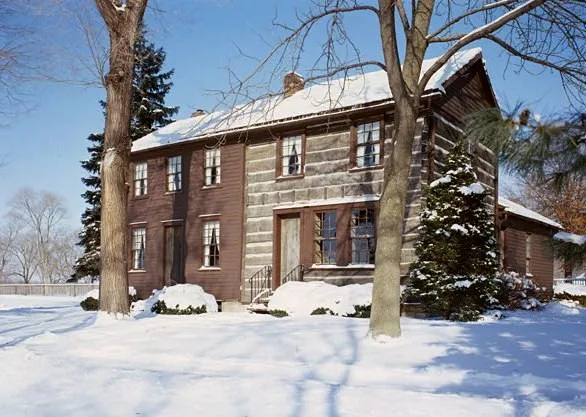
Nauvoo lies on a bend of the Mississippi River in Hancock County, Illinois. Mormon settlers bought land around the small town of Commerce in 1839 and renamed it Nauvoo. Within a few years the city reached an estimated 12,000 residents and was for a time the largest in Illinois. It served as church headquarters until the Mormons left in 1846. Surviving buildings include the Mansion House, Nauvoo House, the Joseph Smith Homestead, the Masonic Temple and several homes of church leaders, most of them plain brick houses of two or two and a half stories. The temple, burned in 1848 and later toppled by a tornado, was located through archaeological digs in the 1960s. After 1846 a French communal group, the Icarians, occupied the town and introduced wine and cheese making. Restoration groups have since worked to return parts of the town to its appearance around 1846.
Machine-generated summary. This summary was generated by a language model from the official nomination document and has not been reviewed line by line by an editor. It may contain errors. Check the source document before relying on any detail. Source: nomination document (PDF) · catalog entry. Generated October 2026 (model claude-sonnet-5-5, prompt v1.0-2026-10-29).
| Period of significance | 1839-1846 (Morman Occupation) |
|---|---|
| Styles | Greek Revival (Mansion House); most Mormon houses are simple rectangular brick buildings |
| Areas of significance | Exploration/Settlement, Religion |
| Acreage | 3850 |
| Boundary source | NPS cultural-resource GIS polygon |
| Full listing page | Nauvoo Historic District (property record) |
What listing means for this property
This is a historic district. Buildings within its boundary are either contributing (they add to the district's significance) or non-contributing. Owners of contributing income-producing buildings can claim the 20% federal rehabilitation tax credit; homeowners should look at state credits. National Register districts impose no design review by themselves; a local historic district ordinance, if one exists, does (the difference explained).
General information, not legal or tax advice. Rules change; confirm with your State Historic Preservation Office or a qualified adviser.