Illinois Institute of Technology Academic Campus

Why it's listed
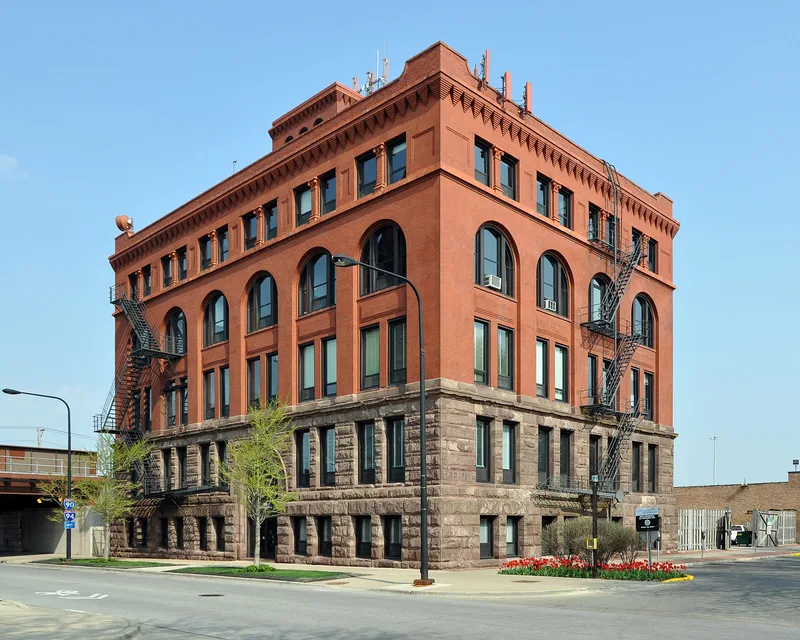
Illinois Institute of Technology's academic campus occupies about 60 acres in Chicago's Douglas neighborhood, on the South Side. Twenty-six buildings make up the district: three from the Armour Institute of Technology era, fourteen designed by Mies van der Rohe, and nine added afterward. The oldest are the Main Building (1891-93), Machinery Hall (1901) and the Maintenance Garage (1901), all by Patten & Fischer, with the first two in Richardsonian Romanesque style. Mies planned the campus on a twenty-four foot by twelve foot modular grid, and his buildings use black painted steel, glass and buff brick, with the structure left visible. S.R. Crown Hall departs from that pattern with a steel and glass enclosure spanning clear of interior supports. Skidmore, Owings and Merrill and Schmidt, Garden and Erikson later built in a similar manner. The campus is listed for its link to Mies's planning and teaching and for its influence on architecture in the United States and abroad.
Machine-generated summary. This summary was generated by a language model from the official nomination document and has not been reviewed line by line by an editor. It may contain errors. Check the source document before relying on any detail. Source: nomination document (PDF) · catalog entry. Generated October 2026 (model claude-sonnet-5-5, prompt v1.0-2026-10-29).
| Styles | Other: Miesian; Richardsonian Romanesque |
|---|---|
| Areas of significance | Architecture, Education |
| Acreage | 60 |
| Boundary source | NPS cultural-resource GIS polygon |
| Full listing page | Illinois Institute of Technology Academic Campus (property record) |
What listing means for this property
This is a historic district. Buildings within its boundary are either contributing (they add to the district's significance) or non-contributing. Owners of contributing income-producing buildings can claim the 20% federal rehabilitation tax credit; homeowners should look at state credits. National Register districts impose no design review by themselves; a local historic district ordinance, if one exists, does (the difference explained).
General information, not legal or tax advice. Rules change; confirm with your State Historic Preservation Office or a qualified adviser.