Humboldt Park

Why it's listed
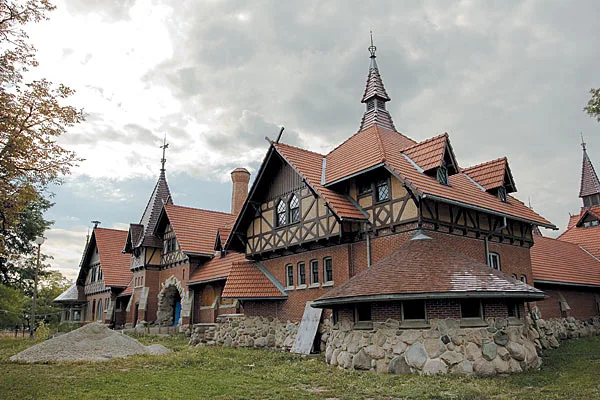
Humboldt Park is a 206-acre public park on Chicago's west side, one of three original pleasure grounds tied together by the West Park Commission's boulevard system. William Le Baron Jenney designed it in 1871 as a naturalistic landscape with a large lagoon, but only the eastern 80 acres were built before it opened in 1877. Oscar F. Dubuis later planned extensions to the lake and began considering midwestern landscape traits. From 1905, Jens Jensen redesigned much of the park, adding a Prairie-style river, a formal rose garden, a music court and a boathouse and refectory designed by Schmidt, Garden and Martin. Other features include the Queen Anne Receptory of 1895-96, bronze sculptures such as the Humboldt and Fritz Reuter monuments, and later Works Progress Administration road changes. The park is significant as a record of how Prairie-style landscape design developed, and it keeps good integrity despite losses of original fabric. Restoration work was underway on several elements.
Machine-generated summary. This summary was generated by a language model from the official nomination document and has not been reviewed line by line by an editor. It may contain errors. Check the source document before relying on any detail. Source: nomination document (PDF) · catalog entry. Generated October 2026 (model claude-sonnet-5-5, prompt v1.0-2026-10-29).
| Styles | Late Victorian/Queen Anne; Late 19th & Early 20th Century American Movements/Prairie School |
|---|---|
| Areas of significance | Landscape Architecture, Entertainment/Recreation, Architecture, Social History |
| Acreage | 206.9 |
| Boundary source | NPS cultural-resource GIS polygon |
| Full listing page | Humboldt Park (property record) |
What listing means for this property
This is a historic district. Buildings within its boundary are either contributing (they add to the district's significance) or non-contributing. Owners of contributing income-producing buildings can claim the 20% federal rehabilitation tax credit; homeowners should look at state credits. National Register districts impose no design review by themselves; a local historic district ordinance, if one exists, does (the difference explained).
General information, not legal or tax advice. Rules change; confirm with your State Historic Preservation Office or a qualified adviser.