Gold Coast Historic District

Why it's listed
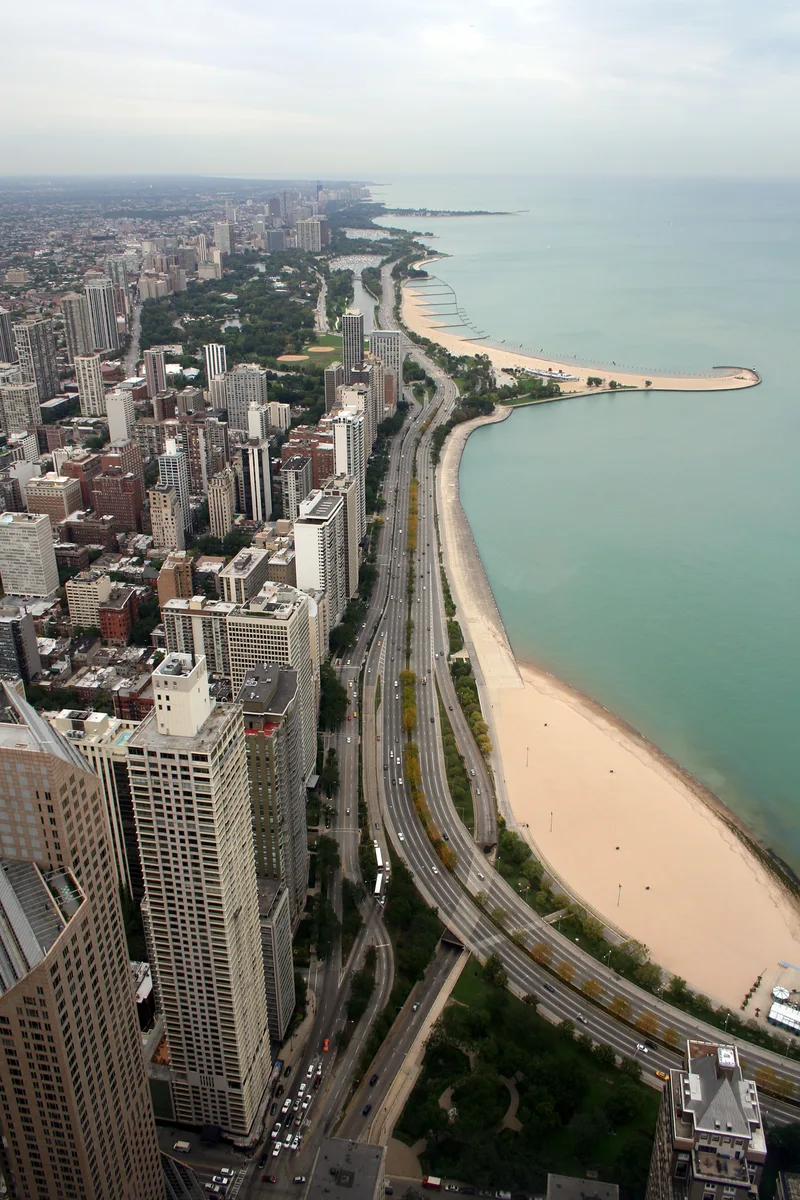
Chicago's Gold Coast Historic District covers roughly 114 acres on the Near North Side, between North Avenue, Lake Shore Drive, Clark and Oak streets. Of about 496 structures, most are three- or four-story masonry townhouses, with some detached houses and high-rises. Development began soon after the Great Fire of 1871, first along Dearborn Street, then eastward. Lake Shore Drive opened in 1875, and Potter Palmer's castle of 1882 helped turn a prestigious area into the Gold Coast. Building peaked between 1884 and 1892. The district is noted for architecture from about 1875 to 1930, in styles from Italianate and Queen Anne to Romanesque, Georgian revival, Art Deco and Sullivanesque. Works by Adler and Sullivan, McKim, Mead and White, John Wellborn Root, David Adler and Howard Van Doren Shaw appear here. Slightly over 87% of buildings are original or early second-generation construction. The district also reflects the lives of prominent Chicagoans such as A. Montgomery Ward and the Ryerson family, though later high-rises have marred its character.
Machine-generated summary. This summary was generated by a language model from the official nomination document and has not been reviewed line by line by an editor. It may contain errors. Check the source document before relying on any detail. Source: nomination document (PDF) · catalog entry. Generated October 2026 (model claude-sonnet-5-5, prompt v1.0-2026-10-29).
| Period of significance | 1800-1899 |
|---|---|
| Styles | Italianate, Second Empire, Queen Anne, Romanesque, Gothic, Georgian and Renaissance revivals, Sullivanesque, Art Moderne and Deco |
| Areas of significance | Industry, Commerce, Economics, Engineering, Literature, Politics/Government, Architecture, Performing Arts |
| Acreage | 114 |
| Boundary source | NPS cultural-resource GIS polygon |
| Full listing page | Gold Coast Historic District (property record) |
What listing means for this property
This is a historic district. Buildings within its boundary are either contributing (they add to the district's significance) or non-contributing. Owners of contributing income-producing buildings can claim the 20% federal rehabilitation tax credit; homeowners should look at state credits. National Register districts impose no design review by themselves; a local historic district ordinance, if one exists, does (the difference explained).
General information, not legal or tax advice. Rules change; confirm with your State Historic Preservation Office or a qualified adviser.