Pleasant Valley Historic District

Why it's listed
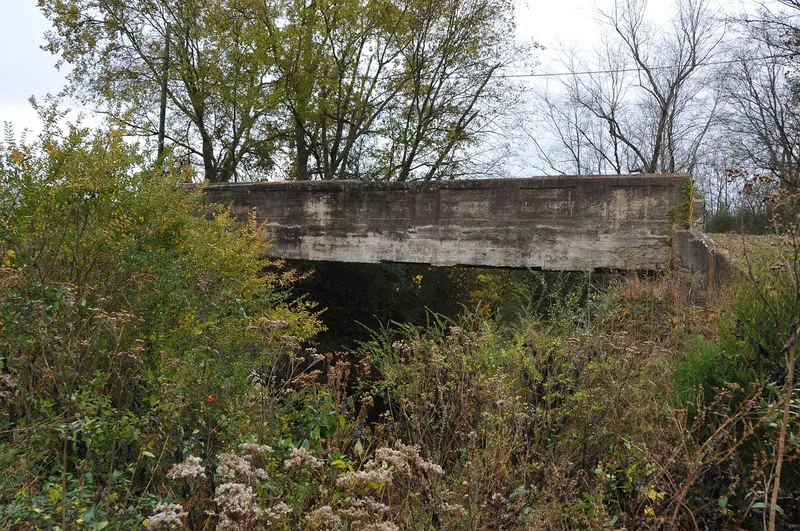
Pleasant Valley is a rural farming district in a valley of the north Georgia mountains, roughly a mile and a half south of Crandall in Murray County. Open fields lined with trees, widely spaced farmhouses and barns, and quiet narrow roads give it a look that has largely survived while nearby areas have been developed. Its historic buildings include a log house built about 1836 by Julius Bates and enlarged around 1870, a Folk Victorian Central Hallway house from about 1882, an I-House from about 1910 to 1919, and a brick Ranch house from 1951. Smokehouses, barns, tenant houses and a former cattle auction structure add to the farm landscape. Two transportation structures stand near the western edge: a 1908 concrete railroad overpass and a 1922 steel encased stringer bridge, the oldest surviving example of its type in Georgia. Modern poultry houses and newer homes exist alongside the historic farms, reflecting continued agricultural production.
Machine-generated summary. This summary was generated by a language model from the official nomination document and has not been reviewed line by line by an editor. It may contain errors. Check the source document before relying on any detail. Source: nomination document (PDF) · catalog entry. Generated October 2026 (model claude-sonnet-5-5, prompt v1.0-2026-10-29).
| Styles | Folk Victorian, Central Hallway, I-House, Ranch House |
|---|---|
| Areas of significance | Agriculture, Architecture, Exploration/Settlement, Transportation |
| Acreage | 905 |
| Boundary source | NPS cultural-resource GIS polygon |
| Full listing page | Pleasant Valley Historic District (property record) |
What listing means for this property
This is a historic district. Buildings within its boundary are either contributing (they add to the district's significance) or non-contributing. Owners of contributing income-producing buildings can claim the 20% federal rehabilitation tax credit; homeowners should look at state credits. National Register districts impose no design review by themselves; a local historic district ordinance, if one exists, does (the difference explained).
General information, not legal or tax advice. Rules change; confirm with your State Historic Preservation Office or a qualified adviser.