Pleasant Hill Historic District

Why it's listed
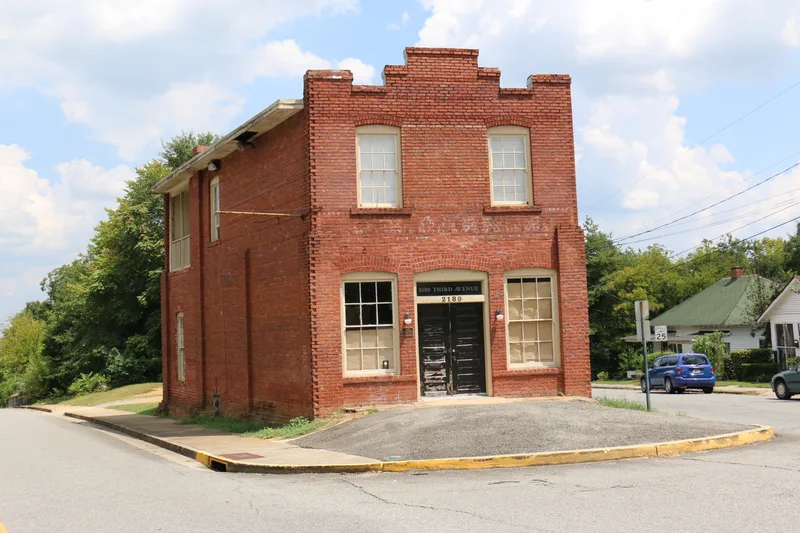
Pleasant Hill is a dense late 19th- and early 20th-century neighborhood in Macon, Georgia, spread across two hillsides that Interstate 75 has divided since the 1960s. Its modest, mostly one-story wooden houses include shotguns, saddlebags, L-shaped cottages and pyramidal-roof cottages, with porch trim in Victorian, Neoclassical and Craftsman styles. A few corner stores, a Masonic Lodge, St. Peter Claver Church and School, and Linwood Cemetery are scattered among them. The neighborhood began in the 1870s, when servants of wealthy families on nearby College Avenue settled here, and grew quickly in the 1890s and 1910s. Residents ranged from doctors, lawyers and educators to unskilled laborers, and many owned or built their own homes. The district was listed for its role in black history, for a land-use pattern that placed black neighborhoods on overlooked, hilly ground, and for its varied vernacular architecture, including work by local black builders and craftsmen.
Machine-generated summary. This summary was generated by a language model from the official nomination document and has not been reviewed line by line by an editor. It may contain errors. Check the source document before relying on any detail. Source: nomination document (PDF) · catalog entry. Generated October 2026 (model claude-sonnet-5-5, prompt v1.0-2026-10-29).
| Period of significance | 1870s - 1936 |
|---|---|
| Styles | Vernacular residential types (shotgun, saddlebag, L-shaped cottage, pyramidal-roof square plan) with Victorian, Neoclassical/Colonial Revival and Craftsman detailing |
| Areas of significance | Community Planning and Development, Black, Architecture |
| Acreage | 205 |
| Boundary source | NPS cultural-resource GIS polygon |
| Full listing page | Pleasant Hill Historic District (property record) |
What listing means for this property
This is a historic district. Buildings within its boundary are either contributing (they add to the district's significance) or non-contributing. Owners of contributing income-producing buildings can claim the 20% federal rehabilitation tax credit; homeowners should look at state credits. National Register districts impose no design review by themselves; a local historic district ordinance, if one exists, does (the difference explained).
General information, not legal or tax advice. Rules change; confirm with your State Historic Preservation Office or a qualified adviser.