Pebble Hill Plantation

Why it's listed
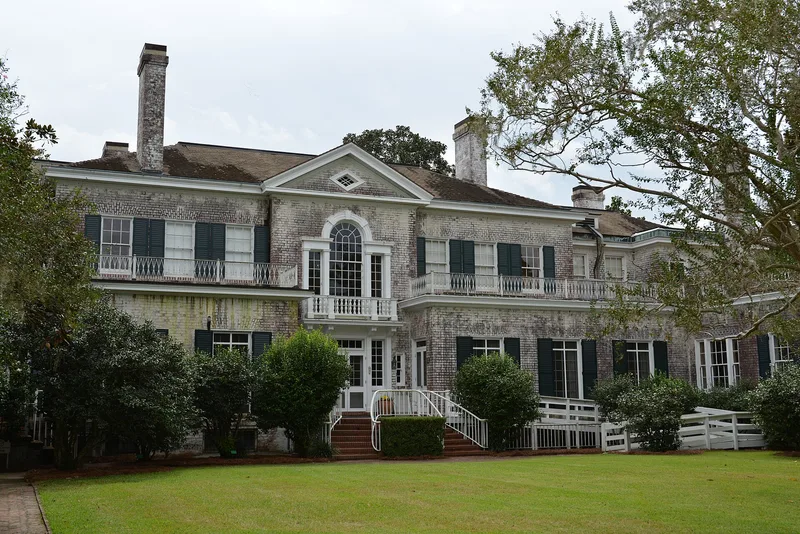
Pebble Hill Plantation is a 3,000-acre estate southwest of Thomasville, Georgia, built up as a winter retreat in the region's hunting plantation country. Its main house was rebuilt in 1934-1935 after a fire destroyed the antebellum house, with only a 1914 wing surviving. Cleveland architect Abram Garfield designed the new house and many brick outbuildings, including a 1927-1928 dairy, stables and gatehouse complex with Norman-style towers. Landscape architect V. Ethylwyn Harrison added gardens. The grounds resemble an English country estate, and less than two percent of the land is developed, leaving the rest as managed pine forest for wildlife. The property is recognized for its architecture, championship Jersey dairy herds raised from 1922 to 1938, and land management. It is also noted for the owner's schools for the children of Black plantation workers, a visiting nurse association, and a long tradition of riding, hunting and dog breeding.
Machine-generated summary. This summary was generated by a language model from the official nomination document and has not been reviewed line by line by an editor. It may contain errors. Check the source document before relying on any detail. Source: nomination document (PDF) · catalog entry. Generated October 2026 (model claude-sonnet-5-5, prompt v1.0-2026-10-29).
| Period of significance | C. 1825-1939 |
|---|---|
| Styles | Classical Revival (main house); Colonial Revival (outbuildings) |
| Areas of significance | Conservation, Agriculture, Entertainment/Recreation, Architecture, Social History |
| Acreage | 3000 |
| Boundary source | NPS cultural-resource GIS polygon |
| Full listing page | Pebble Hill Plantation (property record) |
What listing means for this property
This is a historic district. Buildings within its boundary are either contributing (they add to the district's significance) or non-contributing. Owners of contributing income-producing buildings can claim the 20% federal rehabilitation tax credit; homeowners should look at state credits. National Register districts impose no design review by themselves; a local historic district ordinance, if one exists, does (the difference explained).
General information, not legal or tax advice. Rules change; confirm with your State Historic Preservation Office or a qualified adviser.