Means Street Historic District

Why it's listed
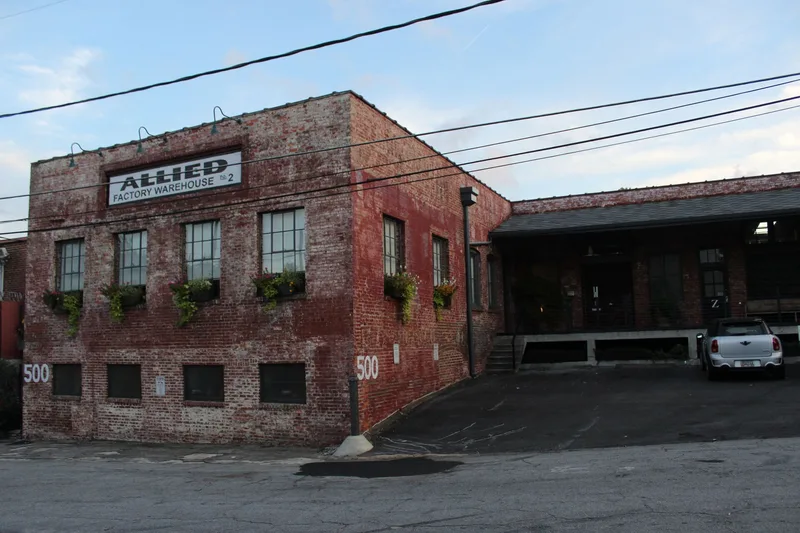
Means Street is a narrow lane northwest of downtown Atlanta, lined with large brick warehouses and factories set close to the street and backing onto the rail line. The 8.5-acre district also takes in two commercial buildings on Marietta Street. W. B. Bass laid out the street in 1869. Standard Oil began oil storage and a cooper shop there around 1888, and furniture, buggy and candy manufacturers followed in the early 1900s. Loading docks facing the railroad survive, along with some stone walls and a stretch of cobblestone paving. On Marietta Street, the 1921 H.B. Davis Building, later the Hotel Roxy, and a c.1930 five-and-ten-cent store reflect the merchants who dominated that corridor. The district was listed for its architecture, commerce, industry, and community planning. It is one of the best-preserved remnants of the Marietta Street industrial corridor, most of which has been lost. Many buildings now serve as offices, lofts, studios and an arts center.
Machine-generated summary. This summary was generated by a language model from the official nomination document and has not been reviewed line by line by an editor. It may contain errors. Check the source document before relying on any detail. Source: nomination document (PDF) · catalog entry. Generated October 2026 (model claude-sonnet-5-5, prompt v1.0-2026-10-29).
| Period of significance | 1869-c.1950 |
|---|---|
| Styles | Other: commercial eclectic |
| Areas of significance | Architecture, Commerce, Industry, Community Planning and Development |
| Acreage | 8.5 |
| Boundary source | NPS cultural-resource GIS polygon |
| Full listing page | Means Street Historic District (property record) |
What listing means for this property
This is a historic district. Buildings within its boundary are either contributing (they add to the district's significance) or non-contributing. Owners of contributing income-producing buildings can claim the 20% federal rehabilitation tax credit; homeowners should look at state credits. National Register districts impose no design review by themselves; a local historic district ordinance, if one exists, does (the difference explained).
General information, not legal or tax advice. Rules change; confirm with your State Historic Preservation Office or a qualified adviser.