Rosicrucian Fellowship Temple

Why it's listed
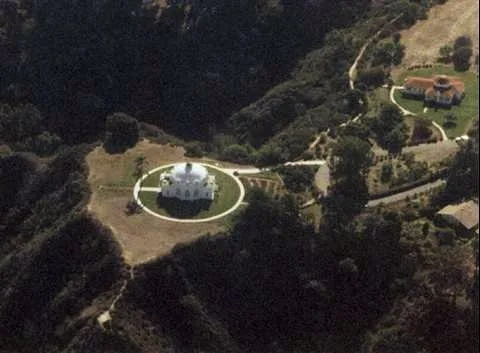
Rosicrucian Fellowship headquarters occupies 40 landscaped acres on a hilltop at the edge of Oceanside, California. Its centerpiece is the Temple, or Ecclesia, built in 1921-22 to plans by architect Lester A. Cramer. It is a twelve-sided reinforced concrete drum with a dome, cupola and stained-glass windows. The twelve sides symbolize the signs of the zodiac, a motif repeated in the Guest House and Healing Center. Other contributing buildings include the 1913 Pro-Ecclesia chapel, the 1914 Dining Hall, the 1917 Administration Building and the 1938 Healing Center. A palm-lined drive and rose beds planted under founder Max Heindel, along with symbolic objects such as the Electric Star and Bell of Mount Ecclesia, complete the grounds. The group blended Christianity, astrology and Theosophy. Its distinctive buildings, its place among California's Eastern-leaning religious communities, and its beautification awards in the late 1920s drew visitors and supported the local economy. The site is still in religious use and retains high integrity.
Machine-generated summary. This summary was generated by a language model from the official nomination document and has not been reviewed line by line by an editor. It may contain errors. Check the source document before relying on any detail. Source: nomination document (PDF) · catalog entry. Generated October 2026 (model claude-sonnet-5-5, prompt v1.0-2026-10-29).
| Period of significance | 1913-1945 |
|---|---|
| Styles | Spanish Colonial Revival; 20th Century Exotic Revival |
| Areas of significance | Religion, Architecture, Landscape Architecture, Commerce, Social History |
| Acreage | 40 |
| Boundary source | NPS cultural-resource GIS polygon |
| Full listing page | Rosicrucian Fellowship Temple (property record) |
What listing means for this property
This is a historic district. Buildings within its boundary are either contributing (they add to the district's significance) or non-contributing. Owners of contributing income-producing buildings can claim the 20% federal rehabilitation tax credit; homeowners should look at state credits. National Register districts impose no design review by themselves; a local historic district ordinance, if one exists, does (the difference explained).
General information, not legal or tax advice. Rules change; confirm with your State Historic Preservation Office or a qualified adviser.