Forest Home Farms

Why it's listed
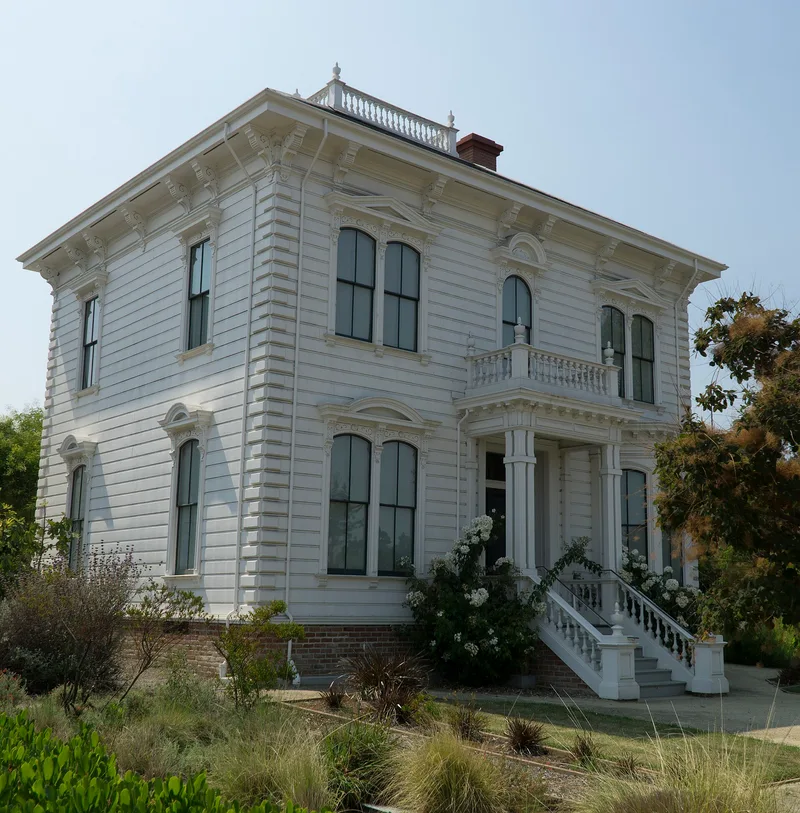
Forest Home Farms is a 16-acre remnant of a farm established in 1850 in San Ramon, once covering 710 acres across the San Ramon Valley. The surviving district holds 17 contributing buildings and 3 structures. Its centerpiece is the Boone House, a Dutch Colonial revival home built in 1900 with a gambrel roof and full-width classical porch, attached to an older Gothic revival wing that may have been the original farmhouse. The David Glass House, an Italianate home from the 1870s, was moved to the property in 1998. Surrounding them are barns, sheds, a meat locker, pergolas, a grotto and walnut processing buildings. The farm is significant for showing how local agriculture changed, particularly the family's walnut operation in the late 1930s and the growing use of corrugated metal to reduce fire risk. Rehabilitation work is under way to restore the landscape and buildings for museum and meeting use.
Machine-generated summary. This summary was generated by a language model from the official nomination document and has not been reviewed line by line by an editor. It may contain errors. Check the source document before relying on any detail. Source: nomination document (PDF) · catalog entry. Generated October 2026 (model claude-sonnet-5-5, prompt v1.0-2026-10-29).
| Styles | Dutch Colonial revival (Boone House, with a vernacular Gothic revival north wing); Italianate Victorian (Glass House); vernacular farm buildings |
|---|---|
| Areas of significance | Agriculture, Architecture |
| Acreage | 16 |
| Boundary source | NPS cultural-resource GIS polygon |
| Full listing page | Forest Home Farms (property record) |
What listing means for this property
This is a historic district. Buildings within its boundary are either contributing (they add to the district's significance) or non-contributing. Owners of contributing income-producing buildings can claim the 20% federal rehabilitation tax credit; homeowners should look at state credits. National Register districts impose no design review by themselves; a local historic district ordinance, if one exists, does (the difference explained).
General information, not legal or tax advice. Rules change; confirm with your State Historic Preservation Office or a qualified adviser.