Black Diamond Mines

Why it's listed
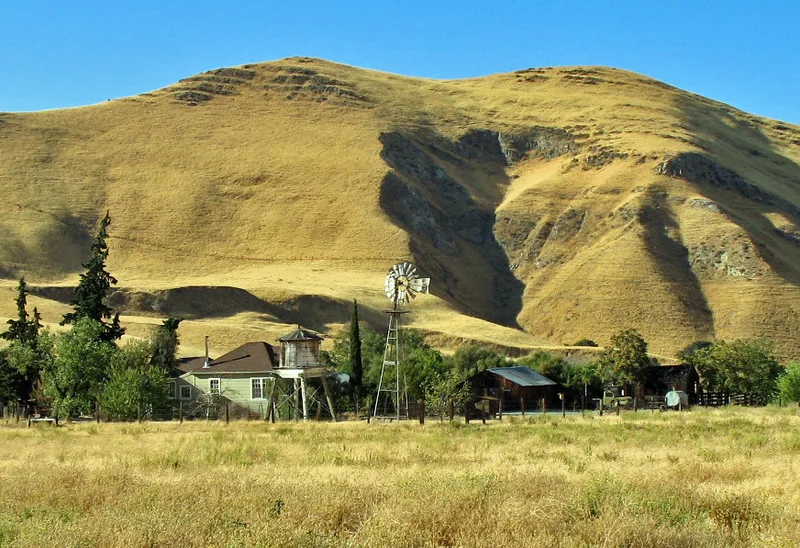
Black Diamond Mines is a 2,078-acre district in central Contra Costa County, California, where coal was prospected in the mid-1850s. Five towns grew around the pitheads, including Nortonville and Somersville, and the coal boom lasted into the early 1900s, when the last mines closed and the towns were abandoned. High-silica sand was mined here from about 1925 to 1951. Recorded remains number 272 features, including building platforms, cellar holes, a cemetery, large coal tailings piles, brick hoisting footings, sealed adits and vents. Underground workings are estimated at 200 miles of passages and over 1,200 acres of mined-out rooms. The district is significant for its link to California's most important coal mining, for the best array of coal mining features and the state's only surviving room-and-pillar sand mine, and for its potential to inform on Welsh immigrants. It is now a regional preserve used for recreation.
Machine-generated summary. This summary was generated by a language model from the official nomination document and has not been reviewed line by line by an editor. It may contain errors. Check the source document before relying on any detail. Source: nomination document (PDF) · catalog entry. Generated October 2026 (model claude-sonnet-5-5, prompt v1.0-2026-10-29).
| Period of significance | 1859-1907 and circa 1910-1941 |
|---|---|
| Areas of significance | Industry, Historic - Non-Aboriginal, Engineering, European, Social History |
| Acreage | 2078 |
| Boundary source | NPS cultural-resource GIS polygon |
| Full listing page | Black Diamond Mines (property record) |
What listing means for this property
This is a historic district. Buildings within its boundary are either contributing (they add to the district's significance) or non-contributing. Owners of contributing income-producing buildings can claim the 20% federal rehabilitation tax credit; homeowners should look at state credits. National Register districts impose no design review by themselves; a local historic district ordinance, if one exists, does (the difference explained).
General information, not legal or tax advice. Rules change; confirm with your State Historic Preservation Office or a qualified adviser.