Angel Island, U.S. Immigration Station

Why it's listed
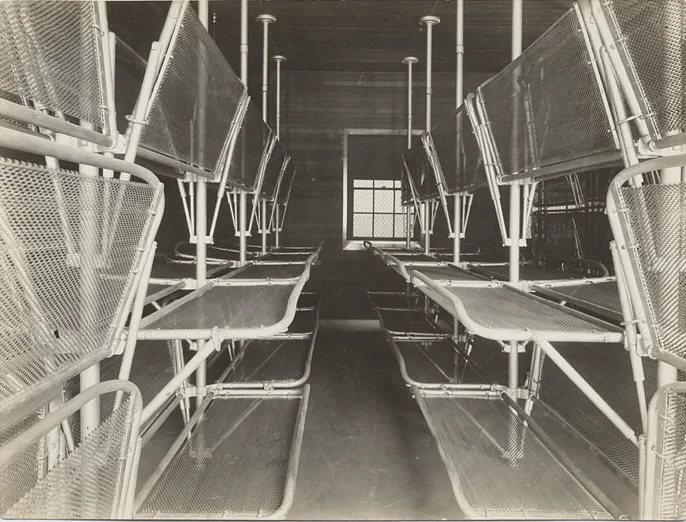
Angel Island, about one square mile in San Francisco Bay southeast of Tiburon, is a hilly island rising roughly 800 feet, with about five miles of shoreline. Juan Manuel de Ayala anchored there in 1775 while charting the bay and gave it its Spanish name. It later became a Mexican cattle ranch, was designated a military reserve in 1850, and was developed from the early 1860s as Camp Reynolds and other garrisons. The military presence lasted about a century and included coastal batteries, a World War II prisoner of war camp and missile sites. Quarantine and immigration stations also operated there. Surviving structures include officers' quarters, a hospital, residences at the quarantine station and a brick Quartermaster's Storehouse of about 1908, described as probably the finest building on the island. At least six sites are associated with Native American cultures. The federal government returned the island to California in 1954 for use as a park.
Machine-generated summary. This summary was generated by a language model from the official nomination document and has not been reviewed line by line by an editor. It may contain errors. Check the source document before relying on any detail. Source: nomination document (PDF) · catalog entry. Generated October 2026 (model claude-sonnet-5-5, prompt v1.0-2026-10-29).
| Styles | Varied military, quarantine and residential buildings, including balloon-frame structures, concrete masonry buildings with Mission tile roofs, and a 19th Century commercial style Quartermaster's Storehouse |
|---|---|
| Areas of significance | Military, Prehistoric, Social History, Architecture |
| Acreage | 731.8 |
| Boundary source | NPS cultural-resource GIS polygon |
| Full listing page | Angel Island, U.S. Immigration Station (property record) |
What listing means for this property
This is a historic district. Buildings within its boundary are either contributing (they add to the district's significance) or non-contributing. Owners of contributing income-producing buildings can claim the 20% federal rehabilitation tax credit; homeowners should look at state credits. National Register districts impose no design review by themselves; a local historic district ordinance, if one exists, does (the difference explained).
General information, not legal or tax advice. Rules change; confirm with your State Historic Preservation Office or a qualified adviser.