Old Brulay Plantation
Also known as: Plantation House No. 1

Why it's listed
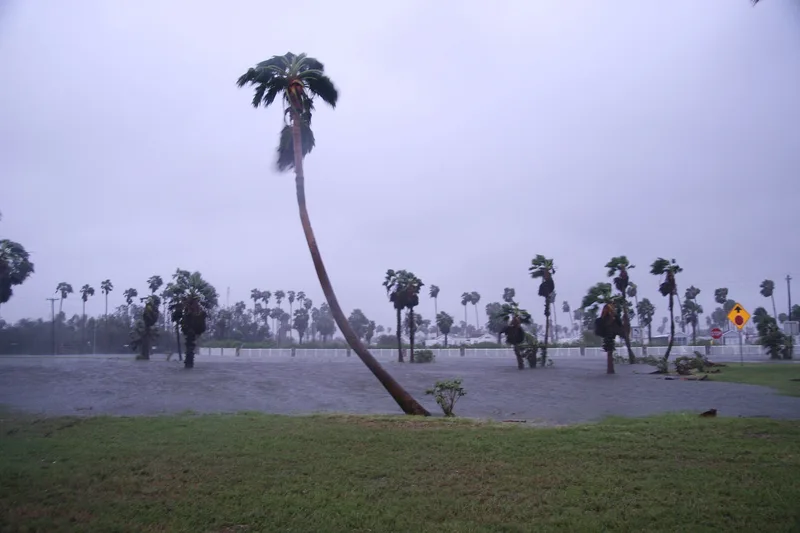
Ten brick buildings about nine miles east of Brownsville, Texas, mark the site of a sugar plantation begun in 1870, when French emigrant George N. Brulay of Paris bought the land. In 1872 he built what the nomination calls the first commercial sugar mill in the area, producing piloncillo on about 300 acres. He began irrigating his fields soon after arriving, which the document says changed farming in the lower Rio Grande valley. After a frame mill burned, he built a brick mill and refinery and bought refining equipment in New Orleans. A hurricane severely damaged the plantation in 1880. The surviving group includes five single-story tenant houses, a two-story barn and residence, another two-story residence, the mill and refinery, a building with a furnace and chimney, and the main house. The buildings are abandoned and show worn roofs and missing windows, but together they form a complete plantation unit with potential to reveal late nineteenth-century material culture.
Significance in brief: Brulay is described as the first to introduce commercial sugar production to the lower Rio Grande valley and the first to use irrigation there. He built the area's first commercial sugar mill in 1872 and later a brick mill and refinery. The complex also has archeological potential and preserves all the major plantation structures together.
Machine-generated summary. This summary was generated by a language model from the official nomination document and has not been reviewed line by line by an editor. It may contain errors. Check the source document before relying on any detail. Source: nomination document (PDF) · National Archives catalog entry. NRHP reference 75001961, listed October 10, 1975. Summary generated October 2026 (model claude-sonnet-5-5, prompt v1.0-2026-10-29, confidence medium).
Key facts
| Address | E of Brownsville off TX 4, Brownsville |
|---|---|
| County | Cameron County |
| Listed | October 10, 1975 |
| Reference number | 75001961 |
| Resource type | Building |
| Period of significance | 1870 |
| Architect / builder | George N. Brulay |
| Architectural style | Classical Revival elements |
| Areas of significance | Industry, Agriculture, Historic - Non-Aboriginal, Architecture |
| Level of significance | Local |
| Status (as stated in the nomination) | Described as abandoned, with missing window panes, boarded windows and deteriorated shingle roofs, though the structures are considered fairly well preserved. |
| Acreage | 5 |
| Coordinates | 25.85452, -97.40026 (NPS GIS) |
What listing means for this property
National Register listing is honorary for a privately owned home: it does not by itself restrict what an owner may do with their own money, and it does not require public access. Restrictions come from local landmark or historic-district ordinances, which are separate (how they differ).
Owner-occupied houses are not eligible for the 20% federal rehabilitation tax credit, which applies to income-producing buildings, but many states offer credits for homeowners. Listing also opens the door to preservation easements and to buying a plaque. Start with what listing means for homeowners, renovating a listed house and selling one.
Noted as vacant in the nomination. Nomination documents can be decades old; current status may differ. If you are considering buying an empty listed property, read the due-diligence checklist.
General information, not legal or tax advice. Rules change; confirm with your State Historic Preservation Office or a qualified adviser.
Sources and further reading
- National Park Service, National Register of Historic Places database (snapshot May 2026), reference 75001961.
- Nomination form (PDF, National Archives) — catalog entry
- Wikipedia article (used for cross-checking only; text not reproduced here)
- Wikidata Q22073224
- This listing as JSON
Last updated October 2026. Found an error? See the editorial policy for how to report it.