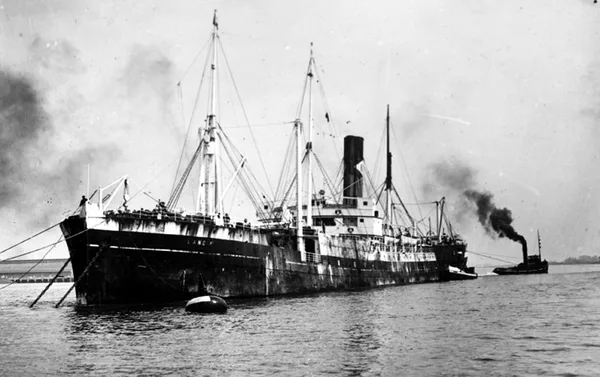
LANCING (shipwreck)
LANCING (shipwreck) is a site in Buxton, Dare County, North Carolina, listed on the National Register of Historic Places on June 26, 2013 (reference number 13000451). The National Park Service records its significance in Military, Commerce, Maritime History, Engineering, Architecture and Historic - Non-Aboriginal at the national level.
Facts from the NPS National Register database (). Last updated . Sources for each fact.

Coordinates come from Wikidata, not the National Park Service; treat the pin as approximate.
Why it's listed
No readable nomination text is available for this listing yet (nominations after 2012 are held by the National Park Service rather than the National Archives). The facts below come from the National Park Service database.
Key facts
| Official database NPS National Register database, ref. 13000451 , checked | |
|---|---|
| Address | Address restricted by the NPS (common for archaeological sites and some private homes) |
| County | Dare County |
| Listed | June 26, 2013 |
| Reference number | 13000451 |
| Resource type | Site |
| Areas of significance | Military, Commerce, Maritime History, Engineering, Architecture, Historic - Non-Aboriginal |
| Level of significance | National |
| National Historic Landmark | No |
| Acreage | 61.8 |
| Secondary Wikidata Q11968307 | |
| Coordinates | 35.13333, -75.36667 |
What listing means for this property
Sites (archaeological sites, battlefields, landscapes) are often listed with a restricted address to protect them from looting or disturbance. Listing is honorary for private owners; federal undertakings on or near the site go through Section 106 review, and state laws may protect burials and artefacts regardless of listing.
General information, not legal or tax advice. Rules change; confirm with your State Historic Preservation Office or a qualified adviser.
Sources and further reading
- National Park Service, National Register of Historic Places database (snapshot May 2026), reference 13000451.
- Wikipedia article (used for cross-checking only; text not reproduced here)
- Wikidata Q11968307
- This listing as JSON
Last updated November 2026. Found an error? See the editorial policy for how to report it.