Mazon Creek Fossil Beds
Also known as: Mazon River; Benson Farm; Fossil Bed Farm

Why it's listed
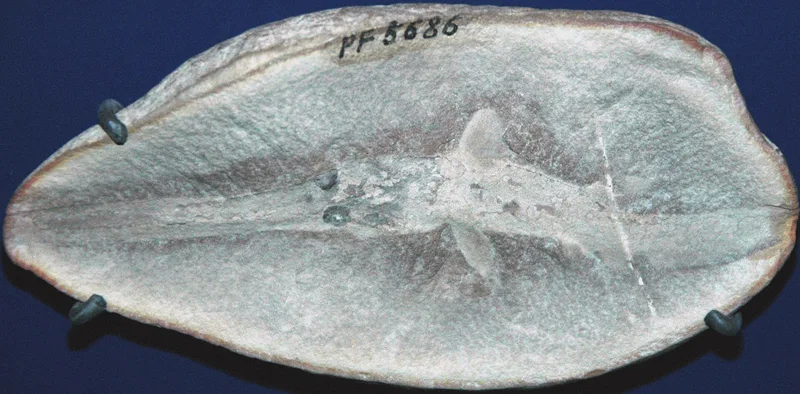
Along the banks and bed of the Mazon River, a few miles southeast of Morris, Illinois, ironstone nodules weather out of Pennsylvanian-age shale. Many contain fossils of ferns, insects, spiders, crustaceans and early amphibians preserved in fine detail. Such fragile organisms rarely survive in the fossil record, and the nomination describes Mazon Creek as probably one of the five best-known sites of this kind in the world. Photographer Joseph Even is credited with first exploring the Benson farm locality in 1857. His specimens reached scientists including Amos Worthen, Fielding Meek and Leo Lesquereux, whose work on the fossil plants helped establish paleobotany in the United States. Most fossils here have been gathered by amateurs, who loaned or gave specimens to professionals, and Mazon Creek material is now held in museums worldwide. The setting is described as virtually unchanged, with many nodules remaining. The period of significance runs from 1857, the year of Even's discovery, to 1947.
Significance in brief: The site is one of the world's best-known sources of exceptionally preserved Pennsylvanian-age land plants and fragile animals such as insects, spiders and amphibians. It supplied what were then the oldest known land plants and animals and helped establish paleobotany in the United States through Leo Lesquereux. It is also unusual because amateur collectors found and gathered most of its fossils.
Machine-generated summary. This summary was generated by a language model from the official nomination document and has not been reviewed line by line by an editor. It may contain errors. Check the source document before relying on any detail. Source: nomination document (PDF) · National Archives catalog entry. NRHP reference 97001272, listed September 25, 1997. Summary generated October 2026 (model claude-sonnet-5-5, prompt v1.0-2026-10-29, confidence high).
Key facts
| Address | Benson Rd., 3 mi. SE of Morris, Morris |
|---|---|
| County | Grundy County |
| Listed | September 25, 1997 |
| Reference number | 97001272 |
| Resource type | Site |
| Period of significance | 1857-1947 |
| Criteria |
|
| Areas of significance | Science |
| Level of significance | National |
| National Historic Landmark | Yes, designated September 25, 1997 |
| Status (as stated in the nomination) | Setting described as virtually unchanged, with many fossil-bearing nodules remaining; still attracts amateur collectors and professional paleontologists. Accessible on foot from Benson Road. |
| Acreage | 10 |
| Coordinates | 41.32817, -88.36434 (NPS GIS) |
What listing means for this property
Sites (archaeological sites, battlefields, landscapes) are often listed with a restricted address to protect them from looting or disturbance. Listing is honorary for private owners; federal undertakings on or near the site go through Section 106 review, and state laws may protect burials and artefacts regardless of listing.
General information, not legal or tax advice. Rules change; confirm with your State Historic Preservation Office or a qualified adviser.
Sources and further reading
- National Park Service, National Register of Historic Places database (snapshot May 2026), reference 97001272.
- Nomination form (PDF, National Archives) — catalog entry
- Wikipedia article (used for cross-checking only; text not reproduced here)
- Wikidata Q2564342
- This listing as JSON
Last updated October 2026. Found an error? See the editorial policy for how to report it.