South Philpot Street Historic District

Why it's listed
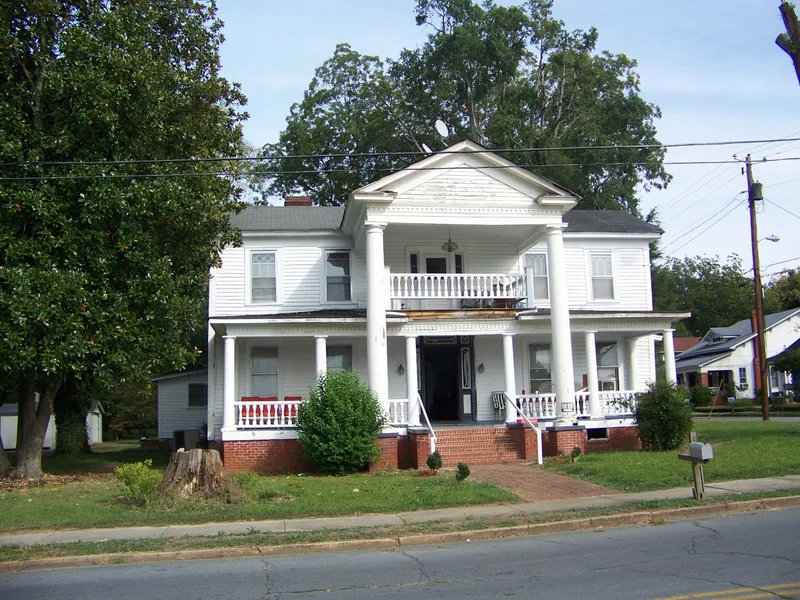
South Philpot Street Historic District is one of the oldest neighborhoods in Cedartown, Georgia, set between downtown and two railroad lines. Houses began to appear around 1880, and by 1910 most lots were built on. Doctors, lawyers, judges and business owners built large Queen Anne, Neoclassical Revival and Colonial Revival houses near downtown, while railroad workers built smaller cottages and saddlebag houses near the Central of Georgia Railroad roundhouse and repair shops, opened in 1887. Later infill added Craftsman bungalows, American Small Houses and Ranch Houses into the 1950s. A c. 1920 railroad warehouse on East Ware Street is the only warehouse that survives. Hemmed in by the railroads, the area lost popularity to newer neighborhoods, and some houses were later lost or divided into rooming houses. The district was listed for its range of architectural styles and house types from c. 1880 to 1961 and for its role in the city's residential and railroad-era development.
Significance in brief: The district is significant in architecture because its houses, built from the 1880s to 1961, show styles and house types popular in Georgia from the late 19th to the mid-20th century. It is also significant in community planning and development as an early, prominent residential neighborhood located between downtown and the railroad lines and railroad industries.
Machine-generated summary. This summary was generated by a language model from the official nomination document and has not been reviewed line by line by an editor. It may contain errors. Check the source document before relying on any detail. Source: nomination document (PDF) · National Archives catalog entry. NRHP reference 11000776, listed November 2, 2011. Summary generated October 2026 (model claude-sonnet-5-5, prompt v1.0-2026-10-29, confidence medium).
Key facts
| Address | Roughly bounded by S. Philpot St., East Ave, E. Ware & Park Sts., Cedartown |
|---|---|
| County | Polk County |
| Listed | November 2, 2011 |
| Reference number | 11000776 |
| Resource type | District |
| Period of significance | c.1880-1961 |
| Architectural style | Late Victorian: Queen Anne; Late 19th and Early 20th Century American Movements: Bungalow/Craftsman; plus other house types including gabled-wing, I-house, Georgian-plan, American Foursquare, American Small House and Ranch House |
| Criteria |
|
| Areas of significance | Architecture, Community Planning and Development |
| Level of significance | Local |
| Status (as stated in the nomination) | Empty lots where houses have been lost are found throughout the district, especially on South Philpot Street. Many large houses were divided into boarding and rooming houses. Most historic houses remain in residential use, and one railroad warehouse survives. |
| Acreage | 57 |
| Coordinates | 34.01263, -85.25125 (NPS GIS) |
What listing means for this property
This is a historic district. Buildings within its boundary are either contributing (they add to the district's significance) or non-contributing. Owners of contributing income-producing buildings can claim the 20% federal rehabilitation tax credit; homeowners should look at state credits. National Register districts impose no design review by themselves; a local historic district ordinance, if one exists, does (the difference explained).
General information, not legal or tax advice. Rules change; confirm with your State Historic Preservation Office or a qualified adviser.
Sources and further reading
- National Park Service, National Register of Historic Places database (snapshot May 2026), reference 11000776.
- Nomination form (PDF, National Archives) — catalog entry
- Wikidata Q141805458
- This listing as JSON
Last updated October 2026. Found an error? See the editorial policy for how to report it.