Walter Reed Gardens Historic District

Why it's listed
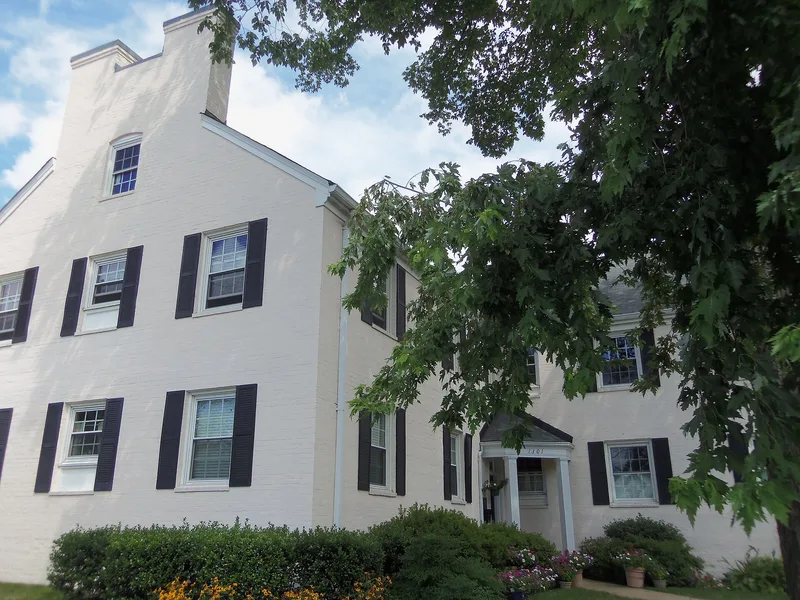
Walter Reed Gardens, also known as the Commons of Arlington, is a garden apartment complex in the Columbia Heights area of Arlington County, Virginia. Built in 1948 on about five acres, it groups eighteen brick buildings into four clusters around open courts, with the largest being a U-shaped court on South 13th Road. The buildings follow the Colonial Revival style, with American bond brickwork, wood door surrounds, pedimented entrances, and 6/6 and 8/8 double-hung windows. It was first designed with 147 one-bedroom units to attract single veterans and childless couples returning after World War II. A condominium conversion in 1982-1984 reconfigured the interiors into 134 units and later added a swimming pool, the only non-contributing resource. The complex was listed for its role in community planning and development and as a representative example of FHA-influenced garden apartments built in Arlington between 1934 and 1954. Its low buildings, moderate density and landscaped grounds set it apart from more urban apartment forms.
Machine-generated summary. This summary was generated by a language model from the official nomination document and has not been reviewed line by line by an editor. It may contain errors. Check the source document before relying on any detail. Source: nomination document (PDF) · catalog entry. Generated October 2026 (model claude-sonnet-5-5, prompt v1.0-2026-10-29).
| Period of significance | 1948 |
|---|---|
| Styles | Late 19th and 20th Century Revivals/Colonial Revival |
| Areas of significance | Community Planning and Development |
| Acreage | 5.3 |
| Boundary source | NPS cultural-resource GIS polygon |
| Full listing page | Walter Reed Gardens Historic District (property record) |
What listing means for this property
This is a historic district. Buildings within its boundary are either contributing (they add to the district's significance) or non-contributing. Owners of contributing income-producing buildings can claim the 20% federal rehabilitation tax credit; homeowners should look at state credits. National Register districts impose no design review by themselves; a local historic district ordinance, if one exists, does (the difference explained).
General information, not legal or tax advice. Rules change; confirm with your State Historic Preservation Office or a qualified adviser.