Unison Historic District

Why it's listed
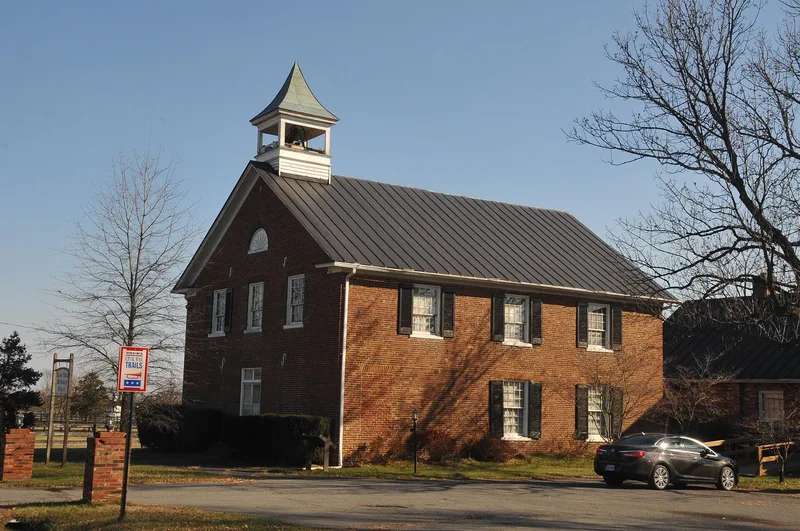
Unison is a small crossroads village in southwest Loudoun County, Virginia, whose historic core covers about 70 acres along Unison and Bloomfield Roads. The land came from a 1741 Blackburn grant, and William Galliher bought 120 acres in 1802 and divided half-acre lots in 1812. The General Assembly established the town as Union in 1813; it was renamed Unison in 1829. The district holds 44 contributing resources, mainly houses with their outbuildings, plus a church, former school, store and saddle-maker's shop. Log, brick, stone and frame buildings appear, some in Federal and Greek Revival styles. Many early buildings, such as Butterland, Elton and the Thornton Walker House, have two front doors, suggesting combined home and business use. The village prospered as a local commercial, religious and social center until the Civil War. Its distance from major highways and rail lines slowed later growth and helped keep its historic character intact.
Machine-generated summary. This summary was generated by a language model from the official nomination document and has not been reviewed line by line by an editor. It may contain errors. Check the source document before relying on any detail. Source: nomination document (PDF) · catalog entry. Generated October 2026 (model claude-sonnet-5-5, prompt v1.0-2026-10-29).
| Period of significance | 1802-1952 |
|---|---|
| Styles | Federal, Greek Revival, Italianate, Queen Anne, Bungalow/Craftsman, I-house, and vernacular |
| Areas of significance | Architecture |
| Acreage | 70 |
| Boundary source | NPS cultural-resource GIS polygon |
| Full listing page | Unison Historic District (property record) |
What listing means for this property
This is a historic district. Buildings within its boundary are either contributing (they add to the district's significance) or non-contributing. Owners of contributing income-producing buildings can claim the 20% federal rehabilitation tax credit; homeowners should look at state credits. National Register districts impose no design review by themselves; a local historic district ordinance, if one exists, does (the difference explained).
General information, not legal or tax advice. Rules change; confirm with your State Historic Preservation Office or a qualified adviser.